


New construction or resale: Which is right for you?
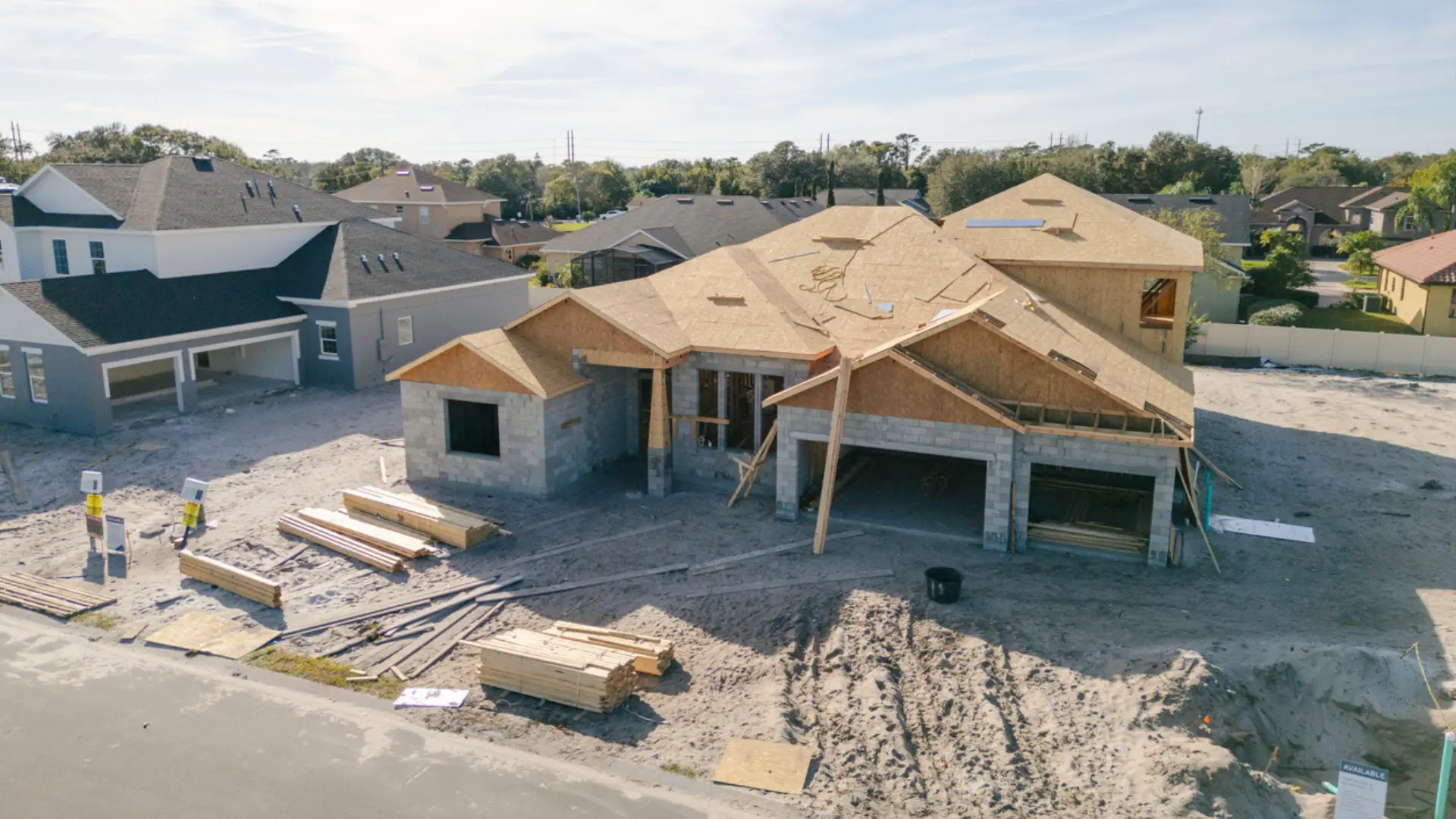
It’s an exciting time when you’re in the market to buy a new home. You get to daydream about what your perfect home looks like, figure out the type of neighborhood you want to live in, and search a variety of homes until you find the right one. However, today’s market can make the task seem daunting. With inventory still in short supply, one important consideration is whether new construction or a resale home is the smarter option.
There are benefits to both options, so it comes down to working through them to determine what’s right for you. Here’s what you should be thinking about.
Think about home style and location
There are advantages to both new construction and resale homes. For example, homes in established neighborhoods often feature unique architecture, such as bungalows with spacious porches and built-in shelving or Georgian-style homes from North Carolina’s Colonial period. Because these homes are well-established, too, they tend to be in communities with mature, tree-lined streets that are within walking distance to a city’s core.
New construction in the Triangle is growing in up-and-coming towns, which are expanding through the addition of new neighborhoods and subdivisions in those communities. Many master-planned communities offer numerous amenities, such as walking trails, neighborhood pools, and mixed-use facilities with shopping and dining. Many new construction homes feature unique styles as well, yet interiors include the modern features people want. Infill options can also provide proximity to cities in the Triangle. Knowing what you value in your next home can help you determine what is right for you.

Weigh the priorities you have for a home
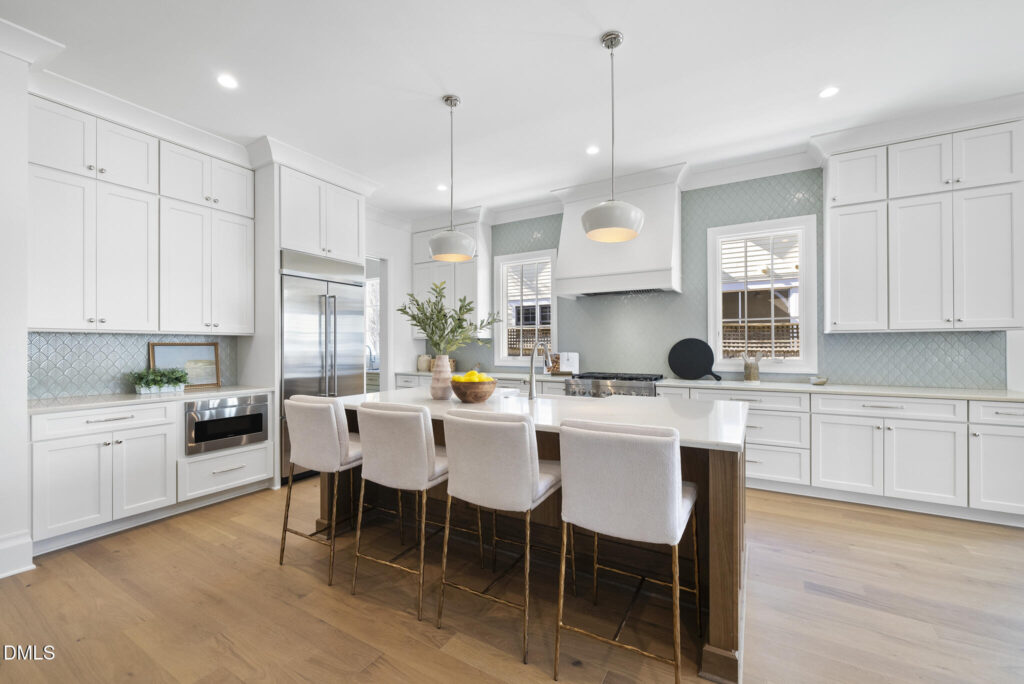
Depending upon what you’re looking for in a home, you may have ideas about what is most important on your wish list. For example, if you want a modern home with a large primary suite, walk-in closets, and an open-concept home, new construction is more likely the way to go. With this option, you can also customize your home with finishes, colors, and even structural upgrades. Also, today’s homes are up to code, which means insulation, windows, HVAC, and appliances are designed to ensure energy efficiency, offering you long-term savings and comfort. New construction also comes with structural and systems warranties, offering additional peace of mind.
With a resale home, you can immediately see what you’re getting. From the condition of the home to the feel of the neighborhood, you will get a sense of what to expect. Some sellers may have already done upgrades to a home to modernize it, and you can always request that repairs or updates be made before you agree to the purchase. You can always get a home warranty on the systems in your home to ensure coverage after you move in, which can be beneficial for resale homes.
Determine when you want to move
Sometimes the length of time you have to move can dictate what’s right for you. For example, with new construction, if you want to build from the ground up, it can take months before you settle into the home. You’ll need to work directly with a builder to determine what you want the home to look like. It’s also wise to work with a real estate agent who understands new construction so they can help keep things on track. If you have that flexibility, new construction might be the right choice.
For those who need to move quickly, a resale home may be right for you. Typically, you can make an offer and close within 30 to 60 days. The good news is that some builders have standing inventory, which means they have move-in-ready homes you can get into faster. If you are aware of your timeline in advance, it can help you determine the optimal way to go.
Think about hidden costs
Whether you choose new construction or resale, there will be costs you may not be thinking about up front. For a resale home, you’ll want to start setting aside funds for repairs and updates. You may also need to purchase appliances if they don’t come with the home. And if the home has older systems, you may have slightly higher energy and maintenance costs than new construction.
For new construction, keep in mind that there’s a base price for a home, and the more you add on things like design upgrades, appliances, and finishes, the more it can add up. Go in knowing your budget. If you have a Homeowners Association as part of a master-planned community, you’ll want to factor in those costs, too. And sometimes things like sprinkler systems in a new home can add additional utility costs. Be sure to budget for these amenities. Some builders may offer incentives, so ask about those before you make a decision.
How to best prepare
There’s no right or wrong answer if you’re weighing the difference between new construction and resale homes. The Triangle market has largely balanced out, meaning costs are fairly similar regardless of the type of home you purchase. Work on a wish list to figure out what you’re looking for in a home. Determine if location or customization is more important and how quickly you need to make a move. And think about whether a home will be your forever home or something more short-term. This may help you think differently about what you’re looking for.
Regardless of what you choose, the Triangle has the options you’re looking for across the region. Be sure to work with an experienced team of agents and mortgage lenders so they can help you find the right home for your needs and budget. They can talk through your options with you and compare real numbers in your price range to help you settle on your next home.
Related Posts

Right-Sizing in the Triangle: Making the Buy-or-Sell Decision on Your Terms
The guest room has become a storage closet. The yard eats a full Saturday every week. ...
Builder Spotlight: Caviness & Cates
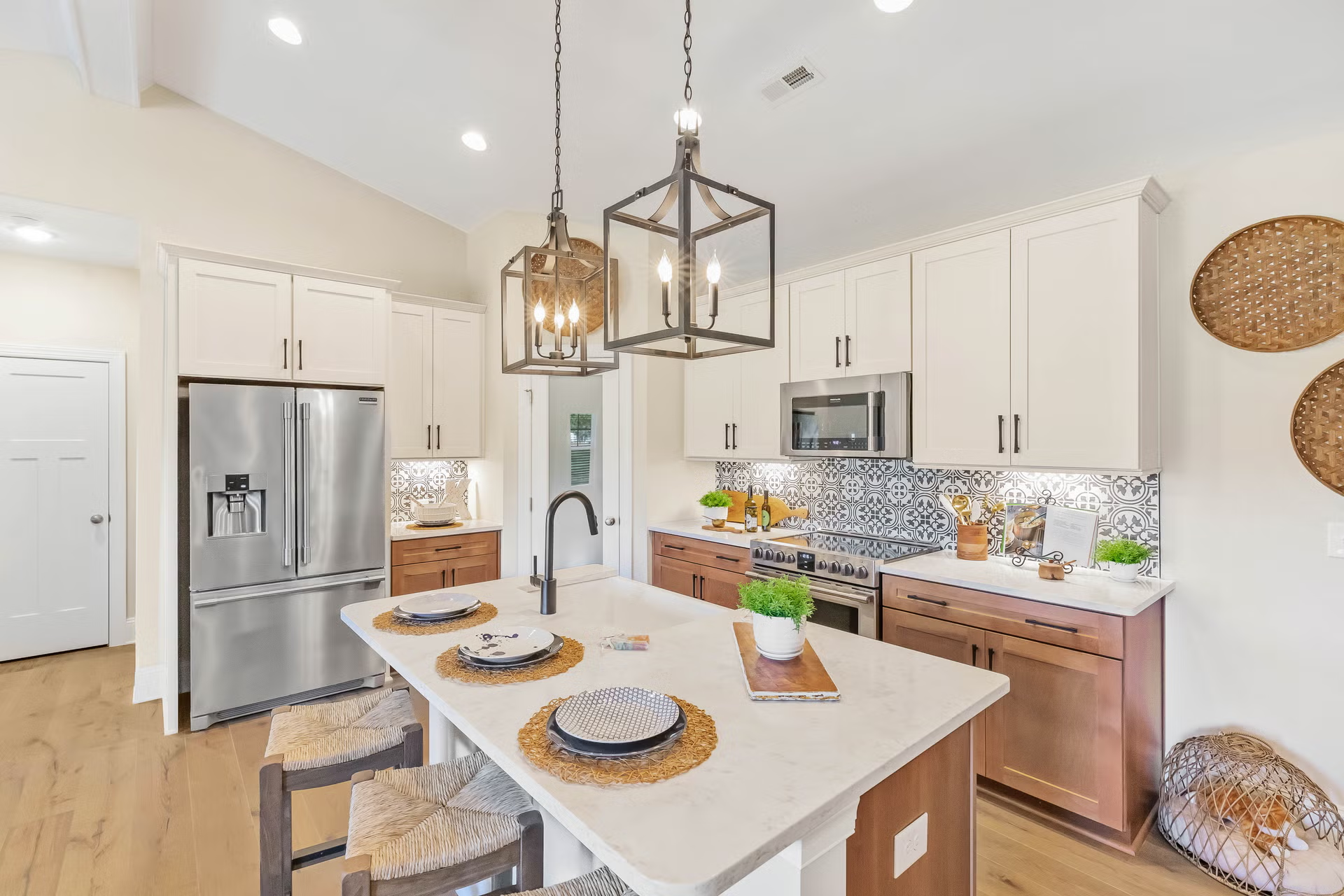
Personalized New Construction Built Across the Triangle with Caviness & Cates Choosing a builder is one ...

Is a Home Protection Plan Right for You?
Buying or selling a home in the Triangle comes with a long list of decisions, and ...
Be the First to Know
Want to get the latest from The Jim Allen Group’s trusted local experts?
Subscribe to our blog, and we’ll notify you when we post something new!