



Buying land in the Triangle? 5 things to check before closing
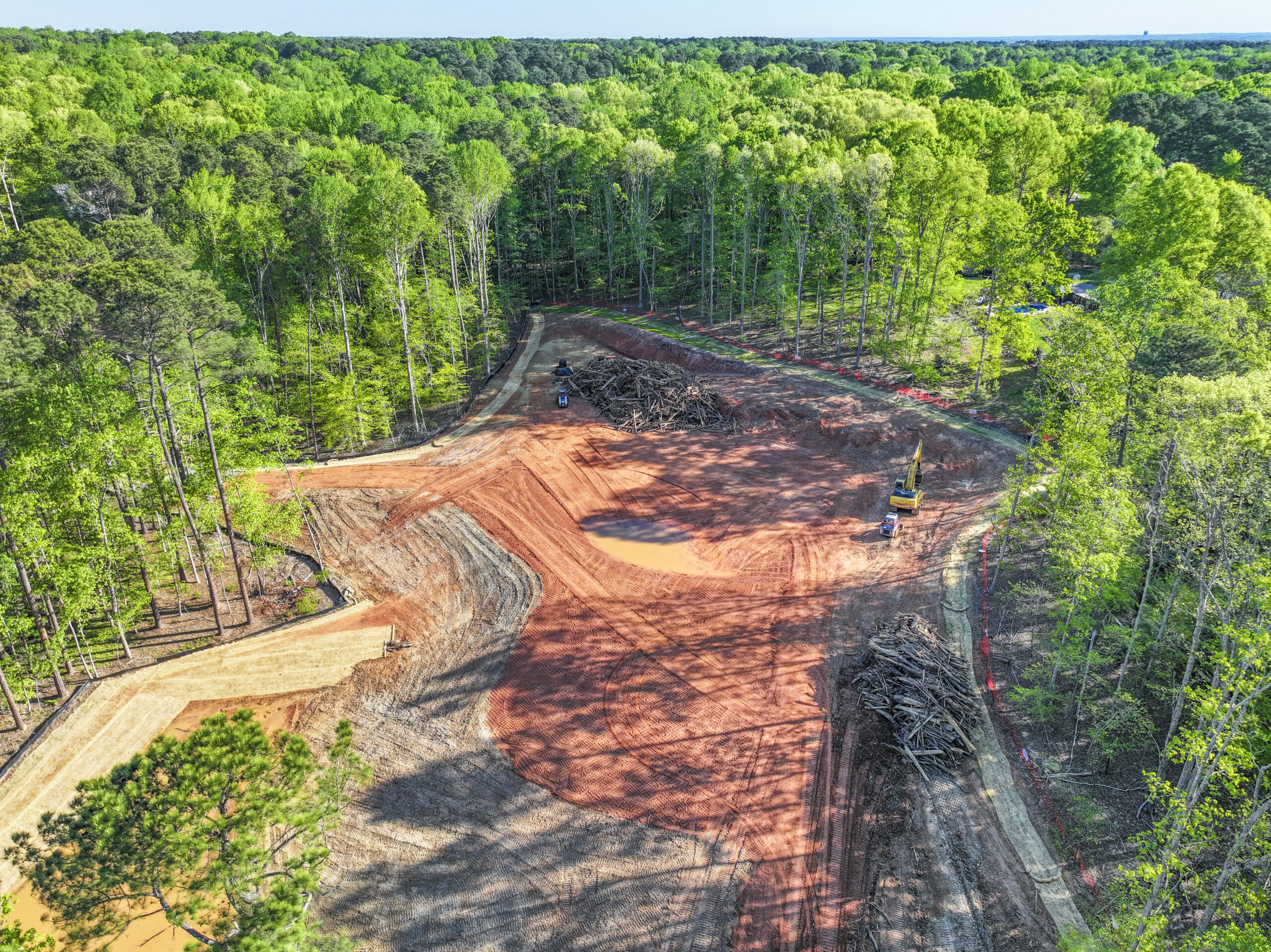
In communities across the greater Raleigh-Durham area, buyers are turning to land purchases not just as housing inventory stays tight. But according to Sherri Felton, JAG’s executive new construction manager, people are buying land in the Triangle for several reasons.
“Some people just buy the land to put a tiny home on it — to hunt on it. There are all kinds of different reasons why people will buy land,” she said. “The last few years since COVID, the uptick in buying 5, 10, 20 acres has picked up because people want to get out of the cities and have their own piece of land.”
Whether buyers want to build a custom home, planning homesteads or small farms, or simply want acreage outside the city, the demand for land has grown significantly, not just within the cities but across rural parts of Wake, Chatham, Franklin, and Johnston counties as well. Yet buying land is very different from buying a plot with an existing home.
Vacant land can look perfect online, but there may be hidden issues that determine whether you can actually build on it or whether the property is only suitable for recreation.
Before you close on a piece of land in the Triangle, here are five critical things you must check first.
1. Check zoning and land use restrictions
One of the biggest misconceptions buyers have is assuming that if land is listed for sale, it can automatically be used for residential construction. In reality, zoning regulations determine how land can be used, and they vary between counties and municipalities throughout the Triangle, which is why Felton says it can be important to find the right person to assist with this role.
Zoning rules can dictate whether the property can be used for residential, agricultural, or commercial purposes, minimum lot sizes, setbacks from property lines, building height or structure limitations, and even density requirements for subdivisions.
Felton said many counties provide GIS mapping tools where buyers can quickly review property data that’s available publicly. “You can find a lot of what the zoning of a piece of land is in tax records,” she said. “You can find your zoning, any blue streams, easements.” She said most counties have a GIS map with layers that you can turn on, which helps buyers review floodplains, environmental buffers, watersheds or protected streams, and zoning overlays.
Checking zoning early can save buyers from discovering too late that the property doesn’t allow their intended use.
2. Understand septic and soil conditions
Many rural properties in the Triangle do not connect to municipal sewer systems, meaning homes must rely on septic systems, which makes soil conditions extremely important. Before building a home, the county must determine whether the property can support a septic system through a soil evaluation or perc test. But this process can take time.
“Getting somebody out there to do the septic evaluation can take two or three months sometimes,” Felton explained, adding that these timelines can create problems if buyers don’t plan ahead during the contract process. If a property fails a soil evaluation, building may require expensive engineered septic systems, or it may not be possible at all.
Because of that, buyers should verify whether the property already has a septic permit, how many bedrooms the septic system allows, and where the septic field must be located.
Sometimes sellers may already have useful information.
“The seller may have bought the piece of land 10 years ago to build on it and they may have an old perk test, which would be expired,” she said. “The permits expire after five years. But you at least would have something. You want to see what kind of information the sellers do have.” Older reports can still provide helpful clues if you’re buying land in the Triangle.
3. Investigate utilities and infrastructure
Unlike existing homes, vacant land may not have basic infrastructure already in place. That means buyers must determine whether the property has access to utilities such as electricity, well water or public water access, septic or sewer, natural gas, and internet or broadband service. For rural land purchases, the distance to utilities can significantly affect development costs.
“You can run power to a property, but if power is 1,000 feet away, it’s going to cost you more money,” Felton said. This is particularly common in rural parts of the Triangle, and in places like Chatham County, Franklin County, and rural Wake County, where new construction often requires extending power lines or drilling wells.
Another common surprise for buyers moving from cities: natural gas is rarely available in rural areas. “If you’re out in the country, you’re not going to have natural gas,” she said. Instead, homeowners may rely on propane tanks or electric appliances.
Understanding these infrastructure costs early helps buyers determine whether a property truly fits their budget.
4. Confirm legal access and road frontage
Another issue that often surprises those buying land in the Triangle is legal property access. While a parcel may appear accessible on a map, it may still lack legal road frontage.
And some properties rely on easements instead. An easement gives someone the right to use part of another property — often for driveway access — but not all easements are created equal.
“I see a lot of recorded easements. It’s basically like a driveway that somebody has given a person the right to use,” Felton said, adding that buyers should carefully verify how that easement is structured. “You need to find out if it’s recorded or if it goes with the land for the life of the land. If, when that owner sells his piece of the land that’s giving you the right to use it, if he sells, the new buyer may not want you to use that. That easement may expire with that owner, not the land.”
Before purchasing land without direct road frontage, buyers should confirm these details. Without proper access, obtaining permits or financing can become difficult.
5. Order a survey and do your due diligence
Even if online tax maps look accurate, buyers should always verify property boundaries through a professional survey. A survey can identify exact property lines, encroachments, easements not visible in online records, topographical issues, and soil conditions.
Felton said this should often happen early in the due diligence process. “After checking the tax records, I’d probably get the survey going next,” she said. “Surveyors will find things that you don’t see on tax records.”
This step is especially important when purchasing larger parcels or rural land where boundaries may be unclear. But surveys are just one part of the due diligence process. Buyers should also make sure their contract includes enough time to complete inspections and research.
“Say I’m a buyer and I’m going out buying a piece of land I’m not versed in. I would see about getting a longer due diligence,” she recommended. “You don’t want to close on the land and then all of a sudden you can’t build a house on it, and you’re stuck with a piece of land.”
Work with an agent who understands land processes
Buying land involves far more variables than buying an existing home. Because of this, Felton recommends working with a real estate agent who has experience with land transactions.
“If you’re going to buy a piece of land, I would recommend getting agent that knows land,” she said. “You want to make sure you have somebody that can guide you — to tell you what inspections, what things need to be done, if your intention is to build a house on that land.”
Experienced agents can help coordinate the surveys, permits, soil evaluations, zoning research, septic permits, and utility assessments you need to ensure the land is what you expect. They can also help buyers structure contracts that allow enough time for proper due diligence.
The bottom line
Buying land in the Triangle can be an incredible opportunity — whether you want to build a custom home, start a homestead, or invest in North Carolina’s growing real estate market.
But before closing on a property, always make sure to follow the steps to ensure you’re buying something you can use rather than a piece of unusable land. Taking these steps early can help ensure the land you purchase truly supports your plans.
Related Posts
Builder Spotlight: Homestead Building Company
Inside Homestead Building Company’s approach to luxury homes A luxury home can make an unforgettable first ...

Builder Spotlight: ICG Homes
Building luxury with purpose in the Triangle A home can say a great deal about the ...

What is a presale home, and is building one right for you?
When you picture building a new home, you may imagine a fully custom luxury property with ...
Be the First to Know
Want to get the latest from The Jim Allen Group’s trusted local experts?
Subscribe to our blog, and we’ll notify you when we post something new!