


Construction loan or traditional mortgage: Which works for new builds?
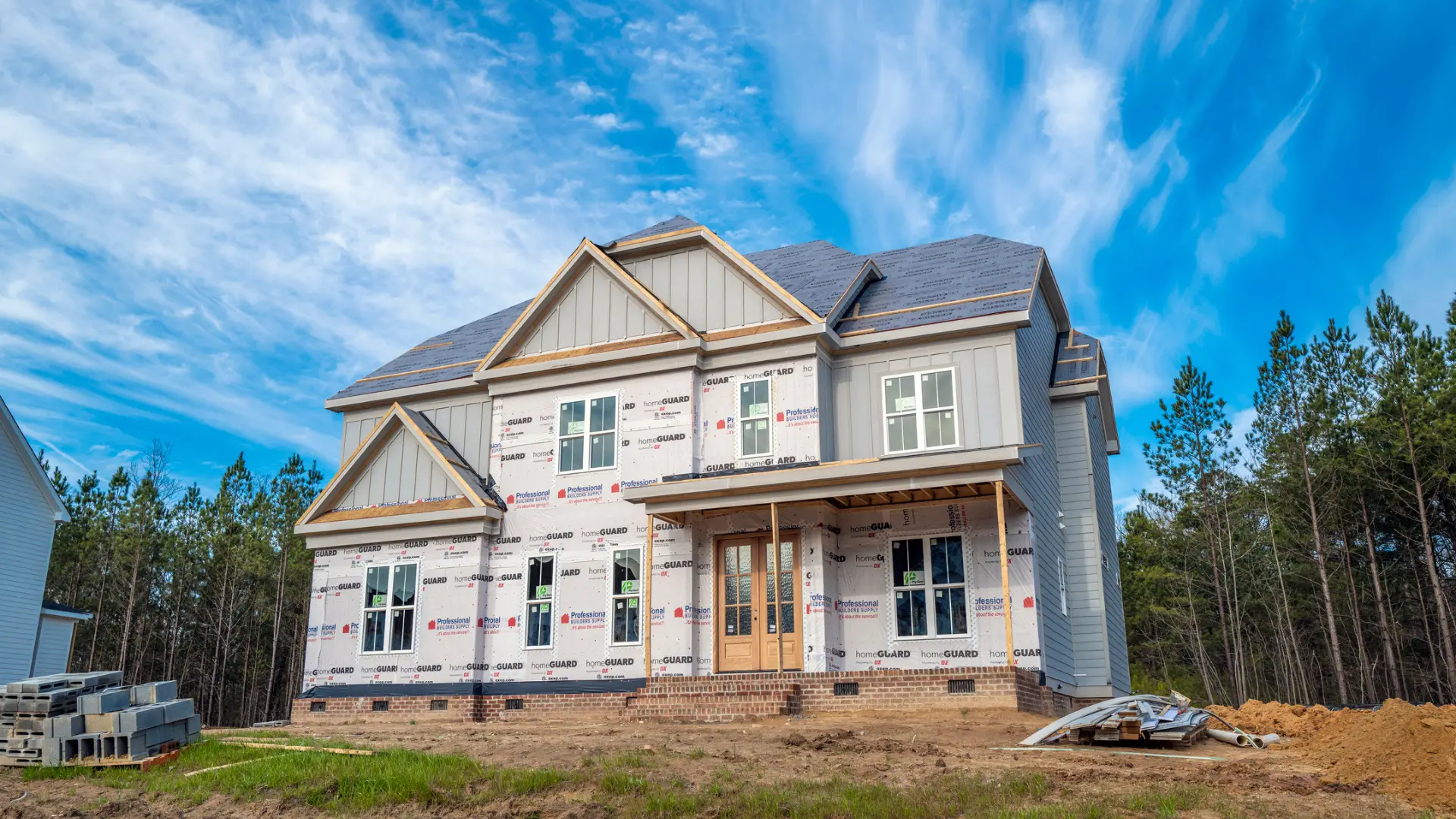
Building a new home is one of the most exciting decisions a buyer can make. That’s especially true in the fast-growing Triangle area, where new communities, custom homes, and luxury neighborhoods continue to expand. But before the first shovel hits the ground, there’s a key financial choice every future homeowner needs to understand: Should you use a construction loan or a traditional mortgage?
While both types of loans help you finance a home, the process, requirements, and timelines are very different, especially when you’re starting from the ground up. To help you make the right decision, it’s smart to understand the clear breakdown of how each works and when one may be a better fit for your build.
What is a construction loan?
A construction loan is a short-term loan, typically between 6 to 18 months, used specifically to finance the building of a new home. Unlike a regular mortgage, which funds a finished property, a construction loan releases money in stages, or “draws,” as different parts of the new build are completed.
Funds are typically released to the builder as specific milestones begin, such as foundation, framing, electrical, and plumbing. Throughout construction, you only pay interest on the amount pulled through the draw. Also, because there isn’t a property for appraisal yet, most lenders require a detailed project outline and construction plan with timelines and budget for loan approval.
As you’re weighing whether a construction loan or traditional mortgage is right for you, one thing to keep in mind is that there are different types of construction loans you can utilize. They don’t all work the same, but the following are the most common options many Triangle-area buyers use.
Construction-to-permanent loan
A construction-to-permanent loan is a simple, streamlined option for many buyers. With this type of loan, you close once and lock in your rate. The loan then automatically converts into a standard mortgage after the completion of your new home’s construction.
One of the major benefits of this loan is that you enjoy one closing. That means you save both time on simplified paperwork and money since you won’t pay closing costs more than once.
Stand-alone construction loan
The stand-alone construction loan option requires two closings: one for the construction loan and one for the mortgage after the build is finished. This is a great option for buyers who want flexibility to shop lenders later and find better long-term rate options.
However, keep in mind that these types of loans may require as much as 20 percent down on the full construction loan. They also require two sets of closings. They may be slightly more expensive up front but may save costs down the road.

What is a traditional mortgage?
A traditional mortgage is the loan you use to finance a home that’s already built, regardless of whether it’s new construction or resale. You borrow the full amount up front and begin regular principal and interest payments after closing. While many people typically think of traditional mortgages as what they use to purchase a resale home, it may still be used to purchase new construction.
Some of the most common uses for a traditional mortgage in new construction include homes that are complete or nearing completion. These include spec homes or move-in-ready homes. Some builders may also manage their own construction financing. In this case, it’s possible to avoid a construction loan completely and work directly with a builder to obtain financing.
Different types of traditional mortgages may work better for you, depending upon your needs. From FHA loans that may require as little as 3 to 5 percent down to a conventional loan that can result in a lower rate, you can find a great mortgage for the right home. Be sure to work with a trusted local lender that knows the ins and outs of new construction in the Triangle.
Which loan option is right for you?
The right financing option depends on how you plan to build, as well as who you choose as your builder. If you’re trying to figure out whether a construction loan or traditional mortgage is right for you, there are specific things to consider.
You will likely need to choose a construction loan if you’re building a custom home on your own lot, or if you want full control over your home’s design and budget. This also might be the right option if your builder does not offer internal financing, or if you’re comfortable managing additional paperwork and closings.
You may want to choose a traditional mortgage if you have decided to purchase a spec home or move-in-ready home. It’s also a great option if your new home is in a community where the builder handles construction financing. A traditional mortgage may also be right for you if you have less money to put down on a home, or if you just prefer a simple, more predictable process.
Regardless of what you choose, don’t forget to work with a real estate agent who is an expert in new construction so the process remains on track.
Find new construction in the Triangle market
With hundreds of new communities across the Triangle, new-build opportunities are everywhere, and the financing path varies from builder to builder. Whether you’re looking for a move-in-ready home with traditional financing or you want to build from the ground-up, there are options throughout the region to choose.
Choosing between a construction loan or traditional mortgage doesn’t have to be overwhelming. Get in touch to begin building your local team and to find the right home for your needs.
Related Posts

Choosing the Right Fence for Maximum Resale Value
Selecting the perfect fencing for your property is a significant milestone in homeownership. A fence does ...

Must-Have Features for a Multi Generational Home
Multigenerational homes foster closer bonds, share expenses, and offer caregiving. Flexible designs, private suites, and sustainable features ensure harmony and longevity.

The importance of local expertise when buying or selling a home in the Triangle
Real estate experts predict the Triangle housing market will continue to grow in 2026. As affordability ...
Be the First to Know
Want to get the latest from The Jim Allen Group’s trusted local experts?
Subscribe to our blog, and we’ll notify you when we post something new!