



Common HOA Rules to Pay Attention To
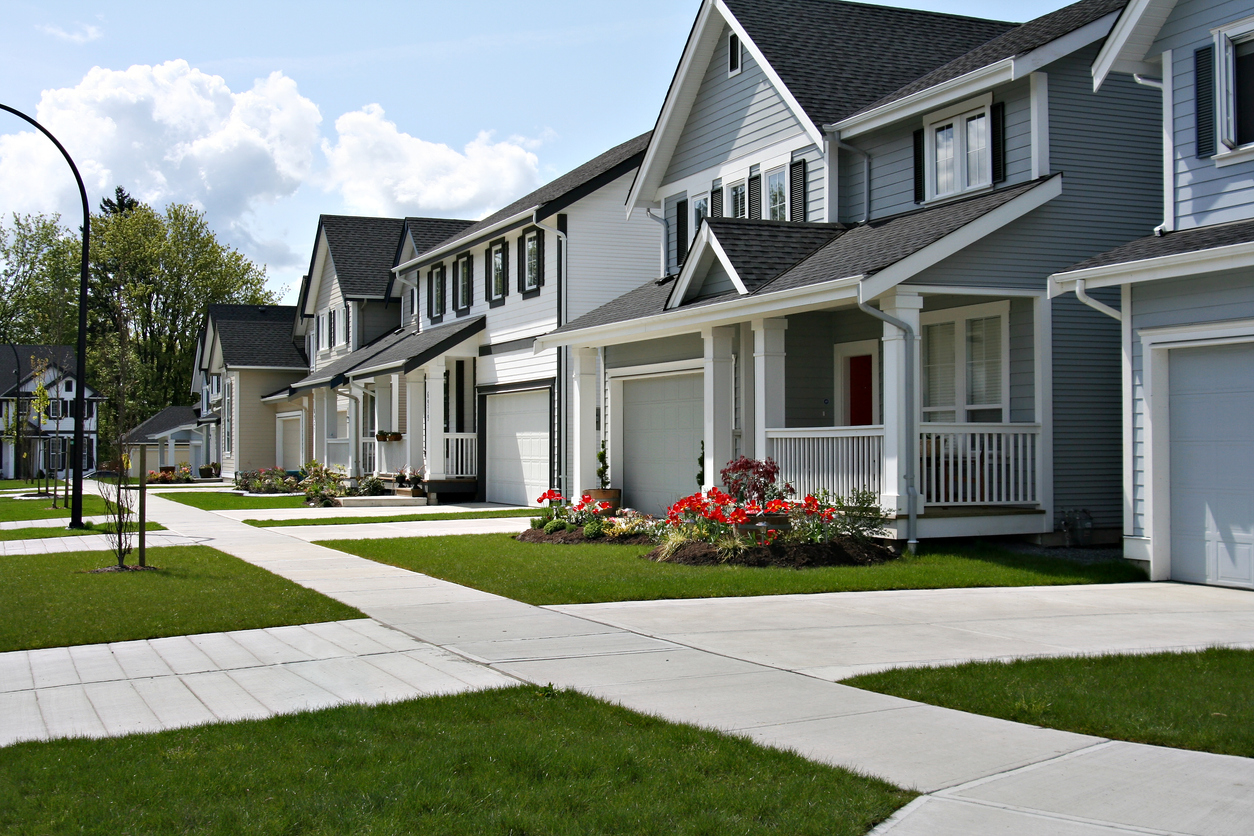
Finding the right home in the Triangle area is about more than just square footage or the style of the kitchen. Whether you are looking in Raleigh, Cary, Wake Forest, or Durham, the community environment plays a massive role in your daily life. For many homeowners in our region, that community environment is shaped and maintained by a Homeowners Association (HOA).
The process of buying a home is often filled with excitement and anticipation. You imagine yourself parking in the driveway, arranging furniture in the living room, and enjoying the backyard. However, amidst this excitement, it is easy to overlook the governing documents that dictate how you can use that property. Real estate decisions are complex, and understanding the framework of your potential new neighborhood is just as critical as the home inspection.
While HOAs are designed to maintain property values and manage common amenities, their rules can sometimes feel surprising to new residents. By taking the time to understand what these associations can and cannot request, you empower yourself to make a decision that truly fits your lifestyle. We believe that knowledge is the key to a happy homeownership experience, and we want you to feel confident in every aspect of your move.
The Legal Foundation of North Carolina HOAs
When you purchase a property within a managed community in North Carolina, you are not just buying land and a structure; you are often entering into a contract with a mandatory membership organization. It is helpful to understand where these organizations derive their authority. In our state, the governance of these associations often falls under specific legislative acts depending on when the community was built and how it is structured.
For many newer subdivisions in Apex or Holly Springs, the operations are likely guided by the North Carolina Planned Community Act. This legislation, which generally applies to planned communities created on or after January 1, 1999, outlines the powers and responsibilities of the association. It covers essential functions, such as the ability to collect assessments for common expenses and the duty to maintain common elements.
If you are looking at condos in downtown Raleigh or Chapel Hill, the North Carolina Condominium Act serves a similar purpose for condominiums created after October 1, 1986. These laws provide the structural framework that allows an HOA to operate, ensuring that there is a standardized approach to how community budgets are managed and how common areas—like clubhouses, private roads, or landscaping—are maintained for the benefit of all residents.
Understanding the Governing Documents (CC&Rs)
The day-to-day experience of living in a Covenant-protected neighborhood is defined by a specific set of documents known as the Covenants, Conditions, and Restrictions (CC&Rs). These are the rules of the road for the neighborhood. When you close on a home, you are legally binding yourself to adhere to these guidelines.
These documents are incredibly detailed and vary significantly from one neighborhood in Knightdale to another in Morrisville. As noted by industry insights, these rules often cover architectural standards, pet policies, and noise restrictions. For example, the CC&Rs might dictate what color you can paint your front door, the type of fencing you can install, or even where you can park your vehicle.
It is vital to review these documents before finalizing your purchase. The goal of these restrictions is usually to preserve the aesthetic appeal and cohesive look of the community, which can contribute to stabilizing property values. However, for a homeowner who dreams of building a large detached workshop or parking a boat in the driveway, strictly enforced CC&Rs could present a challenge. Understanding these nuances upfront ensures your vision for your home aligns with the community’s standards.
Financial Obligations and the Power of Assessment
One of the most significant aspects of HOA membership is the financial commitment. Dues and assessments are collected to pay for the maintenance of shared spaces, insurance, and long-term repairs. Whether it is a swimming pool in a large subdivision in Wake Forest or the roof maintenance of a townhome in Durham, these funds are essential for community upkeep.
North Carolina law grants HOAs significant power to ensure these obligations are met. Associations have the authority to collect assessments for common expenses and, if necessary, take legal action to recover unpaid dues. This can include placing a lien on a property. In severe cases where dues remain unpaid, the association may even have the right to pursue foreclosure proceedings, much like a mortgage lender would.
This underscores the importance of reviewing the financial health of an HOA before buying. You will want to know if the association has adequate reserve funds to handle major repairs without levying large “special assessments” on current homeowners. A financially healthy HOA contributes to a well-maintained neighborhood, while a struggling one might lead to deferred maintenance or unexpected costs for you down the road.
Limits on Power: Unenforceable Rules
While HOAs have broad authority to regulate community aesthetics and operations, their power is not absolute. There are federal and state laws that supersede community rules, rendering certain restrictions unenforceable. Knowing these boundaries is empowering for homeowners who want to exercise their rights.
For instance, federal laws regarding telecommunications protect your ability to access information. Under the Over-the-Air Reception Devices (OTARD) Rule, an HOA generally cannot prevent you from installing a satellite dish or antenna if it meets specific size criteria (usually one meter or less in diameter) and is installed on property you exclusively use, like a balcony or patio. While they might request a preferred location for aesthetic reasons, they cannot enforce a ban that prevents you from receiving a signal.
Similarly, freedom of speech regarding political expression is protected to a degree. In North Carolina, associations generally cannot prohibit the display of political signs entirely. However, they are permitted to place reasonable restrictions on the time, place, and manner of the display. This usually means you can display a sign during an election cycle, but the HOA can require it be removed after a certain number of days post-election.
Sustainability and Solar Access
As more homeowners in the Triangle area look toward energy efficiency and green living, questions about solar panels frequently arise. You might be concerned that an HOA could block your desire to install solar panels on your roof due to aesthetic concerns.
North Carolina has “solar access” laws that come into play here. Generally, an HOA cannot explicitly ban solar panels in detached single-family homes. However, the law does allow associations to regulate where the panels are placed on the roof, specifically to move them out of public view, provided that the relocation does not effectively prohibit the use of the system.
This is a nuanced area where the balance between community aesthetics and homeowner rights is carefully weighed. If the HOA’s required placement would significantly reduce the system’s efficiency or increase the cost to a prohibitive level, the restriction might be challenged. If you are passionate about sustainability, reviewing the specific solar policies in the neighborhood’s declarations is a smart step.
Fair Housing and Discriminatory Practices
Perhaps the most critical limitation on HOA rulemaking involves the Fair Housing Act. No community rule or regulation can violate federal protections against discrimination. This means an HOA cannot create or enforce rules that discriminate based on race, color, religion, sex, familial status, or national origin.
This protection extends to reasonable accommodations for individuals with disabilities. For example, even if an HOA has a strict “no pets” policy or restricts animals based on weight or breed, they must make exceptions for service and assistance animals. An HOA cannot deny a resident the right to keep an assistance animal that provides necessary support, nor can they charge extra pet fees for that animal.
Furthermore, rules that appear neutral but have a disparate impact on certain groups—such as restrictions that unfairly limit the use of common areas for children under the guise of safety—can also be scrutinized under Fair Housing laws. A community should be welcoming to all, and these laws ensure that governance documents do not create barriers to housing choice.
What This Means for Triangle Residents
Understanding the intricacies of HOA governance allows you to navigate the real estate market in the Triangle with clarity and confidence. Whether you are moving to a master-planned community in Zebulon or a townhome in Youngsville, these rules directly impact your lifestyle and investment.
For Buyers in the Triangle: When you find a home you love in Cary or Apex, do not treat the HOA disclosure as just another piece of paperwork. Read the CC&Rs closely. If you have a specific vehicle, a plan for an exterior renovation, or a beloved pet, verify that the community guidelines support your lifestyle. Remember to check the financial health of the association to avoid surprise assessments. Knowing what is enforceable—and what isn’t—gives you peace of mind that your new home will truly feel like yours.
For Sellers in the Triangle: If you are selling a property in a managed community, transparency is your ally. Being up-to-date on your dues and understanding your community’s current rules can streamline the closing process. Ensuring that any exterior changes you made were properly approved prevents last-minute hurdles. Furthermore, highlighting the benefits of your HOA—such as included landscaping or community amenities—can be a strong selling point for buyers looking for convenience and lifestyle perks.
For Those Relocating to the Area: If you are moving from a region where HOAs are less common, the prevalence of managed communities in the Raleigh-Durham area might be a shift. Understanding that these organizations are regulated by the NC Planned Community Act and subject to federal protections can reassure you. They are designed to protect the integrity of the neighborhood, and with the right knowledge, you can find a community that perfectly balances structure with your personal freedom.
Conclusion
The journey to finding your next home is a personal one, filled with hopes for the future and practical considerations for the present. Homeowners Associations are a significant part of the landscape here in the Triangle, offering structured environments that many residents find valuable for maintaining property standards and providing amenities.
However, a happy experience relies on understanding the rules of engagement. From knowing your rights regarding solar panels and satellite dishes to understanding the financial power of the association, being an informed homeowner is the best position to be in. The rules are there to guide the community, but they should never obscure the joy of feeling at home. By educating yourself on the “do’s and don’ts,” you ensure that your home remains your sanctuary.
Let Us Guide You Home
Navigating CC&Rs, statutes, and community regulations can feel overwhelming when you just want to find the perfect place to put down roots. You don’t have to decipher the fine print alone.
At The Jim Allen Group, we are dedicated to helping you understand every aspect of your potential new neighborhood. We can help you review community disclosures, ask the right questions about HOA financial health, and find a neighborhood that aligns with your lifestyle goals. Whether you are buying or selling, we are here to support you with local expertise and genuine care.
Contact us today, and let’s start the conversation about finding a home that feels right for you.
Related Posts

Beyond the Comps: How to Value a Home Like an Asset Manager in the Triangle Market
Introduction Most homeowners in Raleigh, Cary, Apex, and across the Triangle are told the same thing ...

How to use feng shui to find balance in your home and life
The Year of the Wood Dragon signals change. It’s a great time to use the principles of feng shui in your home...

Why it’s smart to work with a top real estate agent
An investment in real estate can be a balancing act, especially for a person who has ...
Be the First to Know
Want to get the latest from The Jim Allen Group’s trusted local experts?
Subscribe to our blog, and we’ll notify you when we post something new!