


Smart home tech in new construction: What’s worth it?
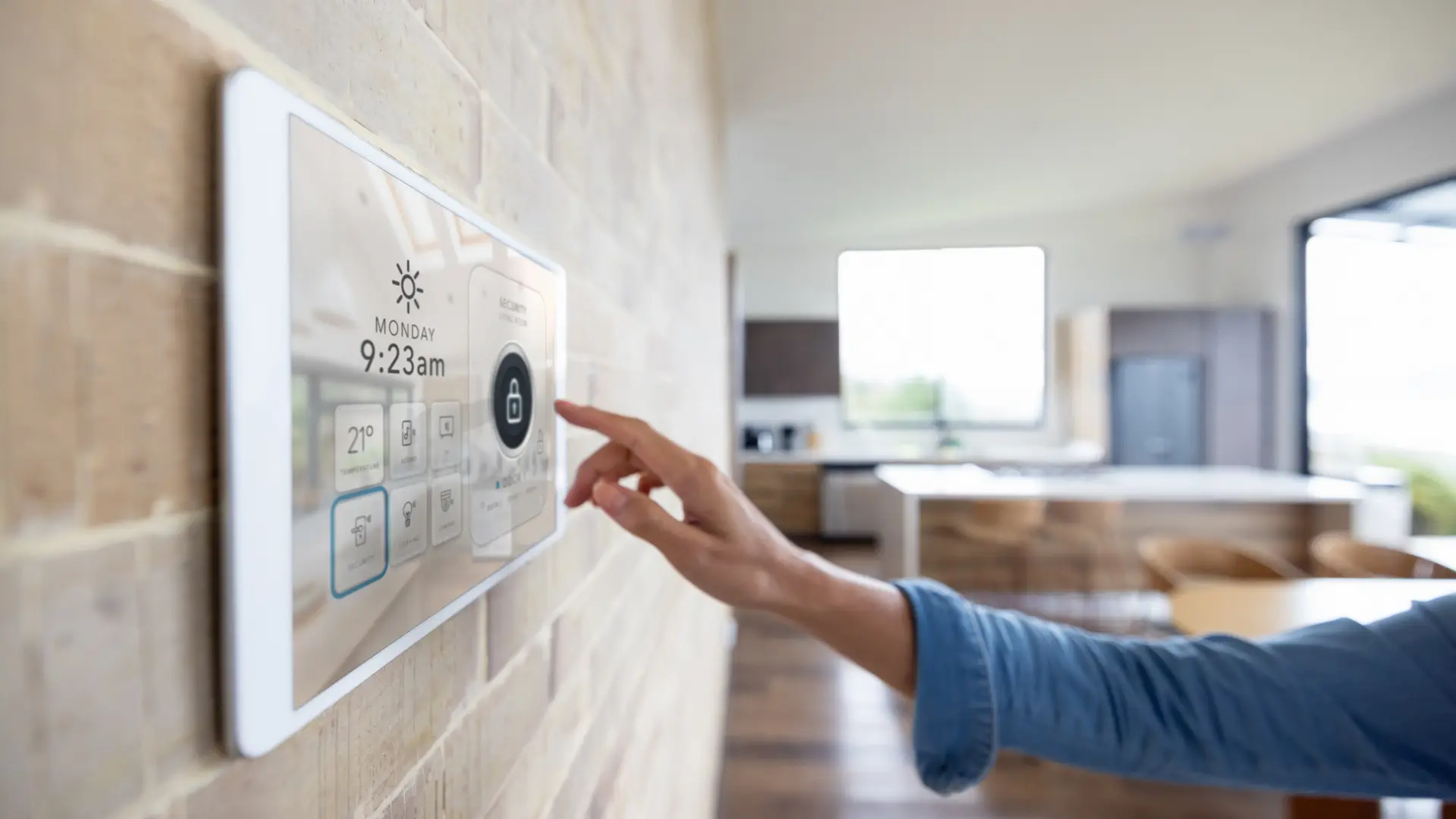
In modern homes, the addition of smart technology has shifted from a nice-to-have to an in-demand expectation for buyers, especially in new construction homes. It’s so valued — specifically by Millennials and Gen Z buyers — that 1 out of 5 Americans say they’d be willing to pay an additional $10,000 for smart home features. In fact, data shows smart home features can increase your home’s value by 3 to 5% while also reducing energy costs in your home. In other words, putting smart home tech in new construction homes pays off from move-in to the day you sell.
If you’re building a new home in the Triangle, it’s wise to include smart technology as part of your investment. Here’s what you should be thinking about to ensure your home is efficient and convenient today, as well as more appealing down the road.
Smart thermostats: The easiest energy savings you’ll ever build in
A smart thermostat like Google Nest or Ecobee is a must-have in a new construction home. These thermostats automatically adjust the temperature in your home based on your schedule, which reduces energy waste and lowers utility bills. They can be programmed by room and controlled directly from your phone. They also provide energy usage reports, which provide you with key information to make better decisions about your energy.

Security that starts at the front door
Security is often a top priority for homeowners, and smart systems deliver peace of mind. Today’s security systems include several components as part of the larger system. For example, a video doorbell with smartphone alerts, night vision, and two-way audio is common for many homes. They provide real-time alerts directly to your phone. In addition, a good security system includes entry sensors and motion detectors to ensure ultimate safety. A security system is an integral part of smart home tech for new construction.
Smarter lighting for everyday living and long-term savings
Lighting automation does more than offer ambiance for your home. It’s also a great way to provide convenience for your family. With lighting automation, you can create presets for your home, allowing lights to go off and on when you choose — even when away from home. You have voice control capability through Siri or Alexa. And you can set motion sensors that turn lights on in entryways and closets. This connectivity ensures you can create a mood, improve security, and reduce your electricity use with ease. Systems like Caséta by Lutron and Phillips Hue are full ecosystems that allow you to control indoor and outdoor lighting for automation and security purposes.
Modern entry systems that make life easier and safer
Traditional keys are becoming obsolete for many homeowners. One of the trends in smart home tech in new construction is the addition of smart locks and keyless entry, which allows you to give access to the people you trust. Smart locks can be set to automatically lock or unlock your home based upon your chosen proximity around your home, which is detectable via your smartphone. It can also be integrated with the rest of your home automation systems. Another great thing about smart locks is that you can create temporary access codes for guests, cleaners, or even Amazon or UPS delivery drivers, ensuring safety. This option not only provides added security but also adds an extra level of convenience.

A smart home is only as good as its network
New construction homes no longer need to be wired after purchase. A home networking infrastructure should be built into your home from the start when you’re building new construction. The backbone of a strong home network includes a mesh Wi-Fi system that ensures you can stream, work, play, and learn from home without a network drop. In addition, pre-wired hubs ensure your home’s smart technology functions properly. Your home networking system will be critical to the success of your new smart home.
Appliances that save time, energy, and mental load
Another consideration for smart home tech in new construction is home appliances. Today’s smart appliances provide more than energy savings. They also serve as a hub for your entire family. Modern refrigerators brainstorm meals based on what’s in your fridge, stream music, and keep grocery lists. Smart laundry centers monitor water usage or can be programmed remotely. And some, such as the Samsung Bespoke AI All-in-One Combo, act as a single system that operates with voice activation and uses AI technology to reduce waste, auto dispense detergent, and uses steam and bubble washes for more effective cleaning. Choosing smart appliances from the start will provide ease with everyday living while saving costs and time from day one.
Tips for choosing the right tech in new construction
As you begin building your new home, it’s a great idea to think about the options you want right from the start. Talk to your builder about the systems that work together so that you can create a full ecosystem in your home. Avoid standalone gadgets and look for devices that work well with platforms like Apple HomeKit, Google Home, or Amazon Alexa.
Plan wiring and power needs earlier. Talk to your builder about the goals you have with your smart home. They will have insights on the extra conduits, outlets, and network cabling that will need to be run before drywall is installed.
Be thinking about future upgrades as well. Remember that tech evolves fast. Choose flexible platforms that can be expanded or updated without major rewiring. And remember to prioritize security and energy savings in your home. These features offer the strongest return on investment and buyer appeal, so when you sell in the future, your home will already feature the tech buyers want most in a home.
Smart home tech: A lifestyle upgrade and a resale advantage
When wondering if you should add smart home tech in new construction, the simple answer is yes. But you must do it right. Talk to your builder about what’s possible and prioritize systems that enhance daily life, improve safety, and increase energy efficiency. Skip expensive, standalone gadgets that don’t integrate with the rest of your home technology. And look for rebates that can make these full systems more worthwhile, too.
Smart home tech isn’t just for convenience. It’s a selling point and a long-term value builder. Make sure you are working with an experienced real estate agent who can help guide you through the full new construction process and find the right options to boost your home’s comfort and value for the long-term.
Related Posts

Choosing the Right Fence for Maximum Resale Value
Selecting the perfect fencing for your property is a significant milestone in homeownership. A fence does ...

The importance of local expertise when buying or selling a home in the Triangle
Real estate experts predict the Triangle housing market will continue to grow in 2026. As affordability ...
Top 10 things that go wrong in new construction (and how to avoid them)
One of the biggest reasons people are drawn to new construction homes is the promise of ...
Be the First to Know
Want to get the latest from The Jim Allen Group’s trusted local experts?
Subscribe to our blog, and we’ll notify you when we post something new!