


Right-Sizing in the Triangle: Making the Buy-or-Sell Decision on Your Terms

The guest room has become a storage closet. The yard eats a full Saturday every week. Or the house works fine, but it sits twenty minutes from everywhere you actually go. Small frictions like these are what start Triangle homeowners wondering whether to sell, renovate, or stay where they are.
The decision carries real weight. Buying or selling in Raleigh, Cary, or Wake Forest means money, timing, and a fair amount of second-guessing, which is why people stall on it for years. Right-sizing offers a way through. The term describes matching a home to how you live now, then making a clear buy-or-sell call from there instead of defaulting to “we should probably downsize someday.” Rather than assuming bigger or smaller is automatically better, it starts with what you need and works outward. The Triangle’s mix of older neighborhoods and new construction gives most homeowners somewhere to land that fits, and getting specific early removes much of the guesswork later.
Right-Sizing Starts With “How Much Home Do You Actually Need?”
Before a showing gets scheduled or a listing goes live, right-sizing poses a sharper question than “bigger or smaller?” The core idea is determining how much house you actually need by identifying your priorities and letting that guide your buying decision. It sets the upsizing-versus-downsizing debate aside and looks instead for the home that suits how you live.
That comes down to balancing the space you want against the maintenance you can manage and the budget you can afford. A homeowner in Apex might trace the real problem to upkeep rather than square footage, the lawn and the repairs swallowing every weekend. Someone in Durham could love the house itself and still feel stranded a long drive from their daily routine. Putting names to those priorities turns a vague restlessness into criteria you can shop or sell against.
Reading the Triangle Selling Season
Sellers tend to wait until spring to list, which lifts inventory and hands buyers more to choose from. That seasonal swing matters on both sides of a deal. For someone hunting in Holly Springs or Morrisville, a fuller spring market can be the gap between settling and finding the right place.
Sellers can read the same pattern as a cue. Listing into spring puts the home in front of more buyers, even as more neighboring listings compete for their attention. A flawless market isn’t a prerequisite either. Right-sizing goals stay reachable even outside an ideal buyer’s market, given the right loan structure and some planning. Around Wake Forest and Fuquay-Varina, where new communities keep opening, the choices hold up for owners who read the timing rather than fear it.
The Equity You May Not Realize You Have
Higher interest rates have parked plenty of would-be movers on the sidelines. The home itself often settles the question. Equity is the gap between what you owe and what the home is worth, and it climbs as you pay down the loan and as local values rise. After several years of rising Triangle prices, many owners hold more of it than they would guess.
Because home values have generally climbed in recent years, many homeowners are sitting on significant equity without realizing it. For someone who bought in Cary or Garner a decade ago, that accumulated value can fund the next step. It might go toward a larger down payment, help you qualify for a better rate, lower a monthly payment, or cover a renovation instead. Equity you barely tracked may turn out to be what makes a move possible.
Buy Your Next Home, or Renovate This One?
Not every right-sizing move ends in a sale. Some owners won’t trade their location for anything, so reshaping the current house becomes the smarter play. Both paths deserve an honest look. Renovating keeps you in a neighborhood you’re attached to and lets you tailor the home to your own taste, all without the upheaval of moving.
Buying reaches places a renovation can’t. A different home lets you change location outright and set the exact size and maintenance level you want, with stronger potential for future appreciation. Picture a Triangle owner choosing between updating a well-loved property in Chapel Hill and buying something lower-maintenance closer to Raleigh. That’s the fork. No single answer fits everyone; the right one depends on your budget and how long you plan to stay. Running the numbers on both before you commit keeps the choice grounded rather than reactive.
Selling With a Plan, Not Under Pressure
Proactive moves tend to pay off most. Plenty of homeowners sell the current place and put the proceeds toward a better-fitting next chapter, turning built equity into the start of where they’re headed. Doing that while you still have time on your side is the advantage.
The other route is waiting until something forces a rushed move. Acting early lets you handle the process on your own terms and take the time to find the right home in a community you love, rather than grabbing whatever happens to be available. Across a market as varied as the Triangle, from established Raleigh streets to new construction in Knightdale, that head start lets you list when the home shows best and negotiate from a calm position.
What This Means for Triangle Buyers, Sellers, and Newcomers
Triangle buyers get room to shop by fit instead of status. Pin down the space, upkeep, and location that match your real week before touring in Apex or Cary, then let your equity strengthen the offer.
Sellers do best moving with intention. Know your equity position and time the listing to a season that works, so the proceeds become fuel for the next step rather than a closeout of the last one.
People relocating to the Triangle get a clean slate. Landing near work in Morrisville or settling closer to family in Wake Forest, you don’t have to rebuild the home you left; pick the home and the location that match the life ahead.
Where That Leaves You
Right-sizing isn’t about giving something up. It’s about matching your home to how you live, then making the buy-or-sell call that follows. Sometimes that means selling and moving on; other times it means renovating and staying put. And occasionally the move is simply to wait for the right season with a plan in hand.
What makes sense in Holly Springs may look nothing like the right call in Durham or Chapel Hill. That difference is the whole argument for taking it one considered step at a time. You define what the right fit means, and the timing and the numbers follow from there.
Let’s Talk It Through
Weighing whether your home still fits your life? Debra Levesque, an agent with The Jim Allen Group, would be glad to help you work through it. With years of guiding Triangle buyers and sellers, including plenty of long-distance moves, she can turn an open-ended question into a clear set of options grounded in your goals and the realities of the local market, whether that points toward selling, buying, or holding for the right moment. No pressure, no rush. Reach out whenever you’re ready to walk through what right-sizing could look like for you.

Debra Levesque
Debra Levesque serves as a Broker and REALTOR® at The Jim Allen Group, where she has been a driving force since 2019. As a multi-million dollar producer, Debra has a clear mission: to impact the Raleigh real estate market with her expertise, dedication, and personal touch. Her success is not just measured in sales but in the relationships she builds with her clients. At The Jim Allen Group, known as the #1 team in Raleigh, Debra thrives in an environment that values both personal and professional growth.
Learn More About Debra.
Related Posts

Navigating Buyer Incentives and Representation Rules in the Triangle Real Estate Market
Buying or selling a home in the Triangle area—whether you are eyeing an established neighborhood in ...
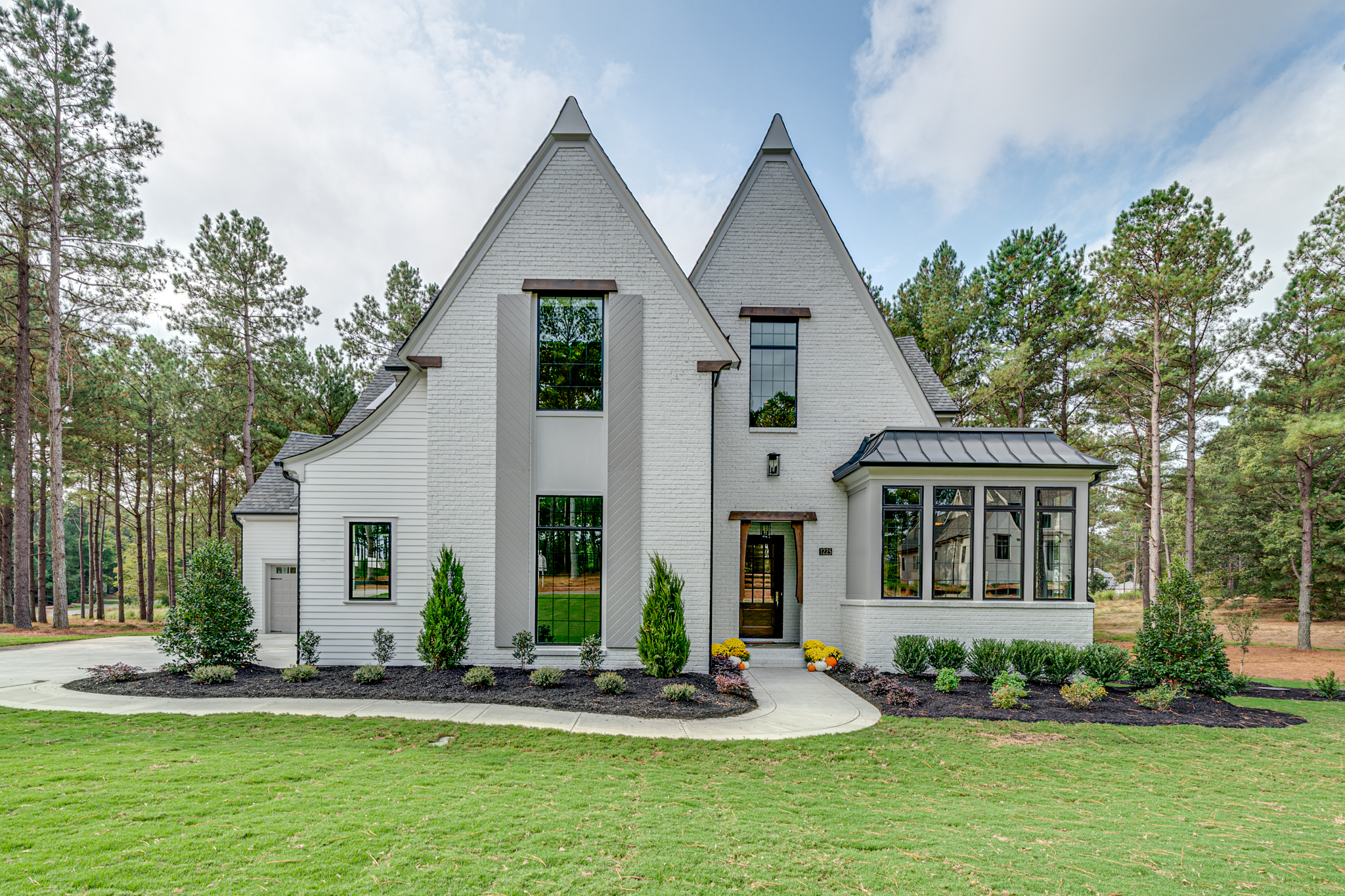
Builder Spotlight: Homestead Building Company
Inside Homestead Building Company’s approach to luxury homes A luxury home can make an unforgettable first ...

What Are Material Facts and What Does That Mean for You?
Buying or selling a home across the Triangle is a significant milestone filled with excitement, anticipation, ...
Be the First to Know
Want to get the latest from The Jim Allen Group’s trusted local experts?
Subscribe to our blog, and we’ll notify you when we post something new!