



What is a presale home, and is building one right for you?

When you picture building a new home, you may imagine a fully custom luxury property with an equally luxurious price tag. But presale homes can offer opportunities across a much broader range of price points, giving buyers the chance to choose a homesite, personalize a floor plan, and select the finishes that will make the home their own.
According to Sherri Felton, Executive New Construction Manager at The Jim Allen Group, a presale home creates options for many types of buyers. Here’s what to know about this purchasing option.
What is a presale home?
A presale home is a new home purchased before construction is complete, and often before construction has even begun. Felton said depending on the builder, neighborhood, and price point, the process may also be described as a custom build for some builders in the Triangle area.
However, presale opportunities can vary considerably. “With national builders, they don’t customize plans at all. You can add options to it, but there are no structural changes,” she said. Throughout the greater Raleigh-Durham area, she explained, there are custom builders in the median price range who offer fully customizable presale options, including the option to build under the Triangle’s median sales price.
“The Jim Allen Group has homes from the $300s that we can provide a custom builder to have a home built,” she said, adding that those presale opportunities span to multimillion-dollar custom homes.
Why consider buying a presale home?
Felton said one of the first advantages of buying presale is the opportunity to choose the homesite or builder you prefer.
In many new home communities, builders purchase or are assigned specific lots. A buyer who already has a favorite builder may begin by exploring that builder’s available homesites. Someone who cares more about the lot — perhaps because of its size, view, slope, privacy, or location within the neighborhood — may select the homesite first and then work with the builder who owns it.
Another significant benefit is personalization.
“The other advantage is getting to work with the builder, and basically in a custom neighborhood, you can pretty much draw the plan of your dreams,” Felton said. “You can draw it from scratch, or you can use one of their plans and change a few things to get it to be where you want it to be.”
Instead of adapting your life to a home someone else designed, you can make decisions based on the way you want to live. Depending on the builder, that might include changing the layout, adding rooms, adjusting architectural details, and selecting cabinetry, flooring, tile, lighting, appliances, paint colors, and other finishes.
How does the presale process work?
Every builder has a slightly different process, but a typical presale purchase follows several general steps.
1. Choose a builder or homesite
The process usually begins by identifying a community, builder, or available lot. An experienced new construction agent can help buyers compare their options and determine which builders may offer the right combination of style, flexibility, location, and price.
2. Reserve the lot
Once the buyer finds a promising homesite, the builder may offer a lot reservation. This typically requires some money upfront and temporarily holds the property while the buyer and builder develop a plan and determine pricing. A reservation can be particularly valuable in a popular community because it prevents another buyer from purchasing the lot while those initial details are being worked out.
3. Develop the plan and price
The buyer and builder then begin defining the home. This may mean selecting an existing floor plan and available options or developing a much more personalized design. Once the buyer approves the general plan and pricing, the plans typically move into engineering. The parties finalize the specifications, execute the contract, and prepare to begin construction.
4. Make design selections
Custom builders generally provide a specification sheet that outlines what is included in the home, along with allowances for categories such as flooring, lighting, cabinetry, and appliances. Buyers then meet with the builder’s vendors to make their selections. Rather than choosing everything during one long design-center appointment, a custom-home buyer may attend several meetings at different locations. For example, an appointment may be selecting cabinets with one vendor and tile and flooring with another.
Those who want to remain within budget can ask vendors to show them choices that fit within their established allowances. Buyers can also select more expensive products, but they will generally be responsible for the difference.
“The sky’s the limit,” Felton said. “You can get whatever you want, but you’re going to pay the difference.”
5. Follow the home through construction
Once construction begins, the buyer’s agent should remain involved, attend key meetings and help document decisions throughout the process.
Why new construction experience matters
Representation is important in any real estate transaction, but presale construction introduces questions that do not typically arise when buying an existing home. Buyers must evaluate the homesite, builder, plans, specifications, allowances, construction timeline, and contract before the finished property exists.
An agent with new construction experience can help assess a lot before the builder becomes deeply involved. That may include walking the homesite, considering its slope, and reviewing potential easements or other factors that could affect the home.
The agent can also attend builder and design meetings, take notes, and maintain a record of the buyer’s decisions. That documentation can help prevent confusion later, especially because a small material sample may look considerably different once it is installed throughout a room and viewed alongside cabinetry, flooring, paint, and natural light.
“It’s important because an agent is going to be there with you, or they should be with you there every step of the way,” Felton said.
That guidance is one reason buyers should involve their own agent early, and ideally before visiting a model home, contacting a builder, or registering at a new home community.
What does it cost to buy a presale home?
Buyers should not assume that a presale version of a home will cost the same as a completed spec home. A spec, or speculative, home is designed and built by the builder to appeal to a broad range of buyers. If it has been on the market for some time, its price may also reflect reductions or incentives that would not apply to a new presale contract.
A presale home is being built specifically for one buyer, and the final cost reflects the chosen plan, features, and finishes. Buyers may also spend more when selections exceed the allowances included in the contract.
Custom builders commonly request a larger deposit because they are taking on the financial risk of constructing a highly personalized home. Felton noted that many high-end custom builders request a deposit of approximately 5% to 10%, although requirements vary. Builders offering homes at lower price points may accept less while placing additional limits on highly personalized selections that could make the property difficult to resell.
Is a presale home right for you?
A presale home may be an excellent choice if you have time to wait for a home to be designed and constructed, or if you want greater control over the floor plan and finishes. Presale may also be a great option if you are prepared to make numerous decisions throughout the process and can provide the required builder deposit. Finally, if you have room in your budget for personalized features or upgrades or want a home that more closely reflects your priorities and lifestyle, presale might be the way to go.
It may not be the best fit if you need to move quickly, prefer to see the finished home before committing, or have limited funds available for the initial deposit. Buyers working within a firm budget also need to be disciplined about selections and allowances.
Build more of the home you want
Even a beautiful move-in-ready home may include features a buyer would prefer to change. A presale allows buyers to make those choices earlier, creating a home around their needs instead of renovating one after closing.
“There is no perfect house,” Felton said. “But if you want to get more of the things and selections you want inside of your home, then a presale is a good way to go.”
Related Posts
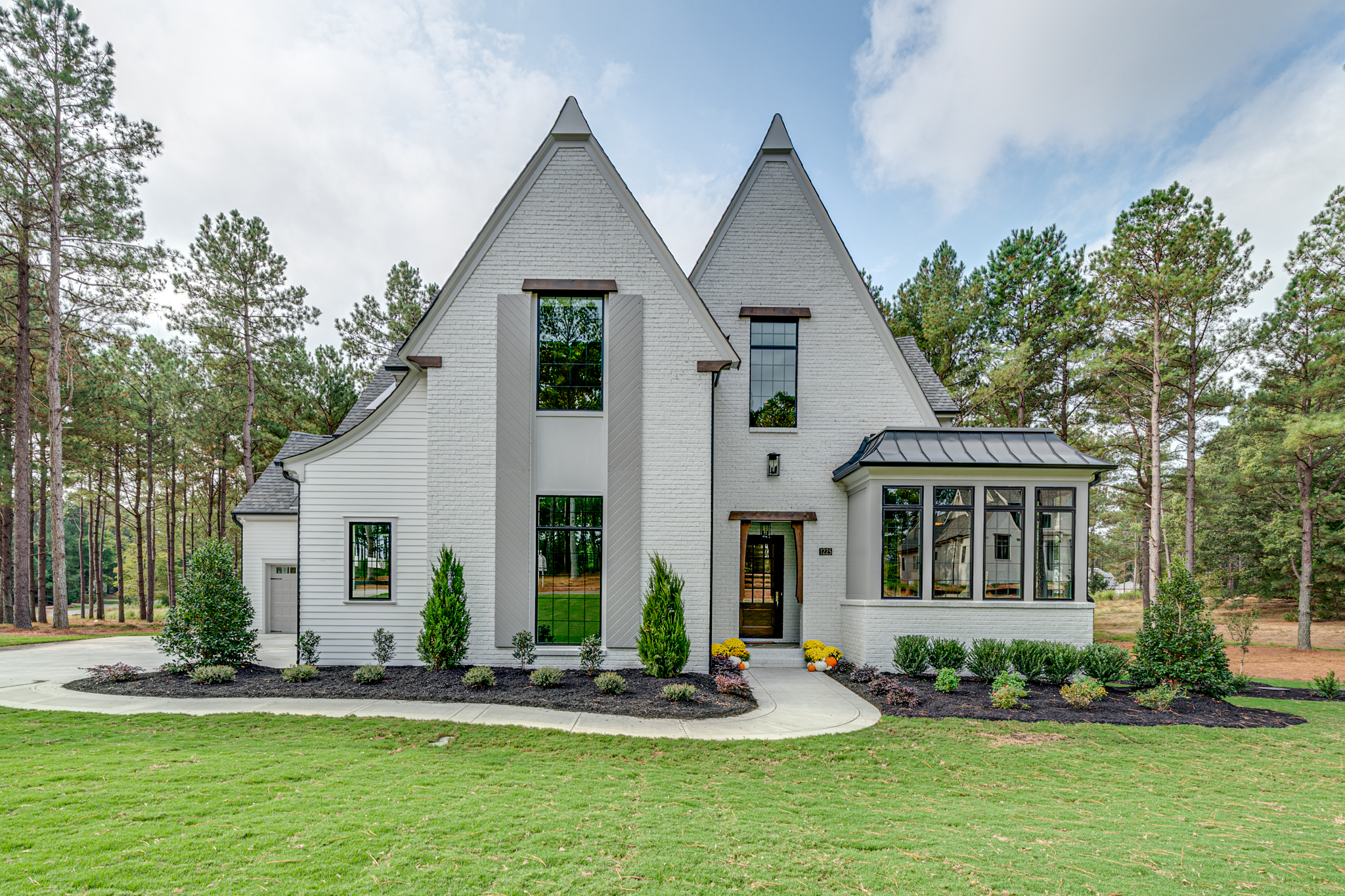
Builder Spotlight: Homestead Building Company
Inside Homestead Building Company’s approach to luxury homes A luxury home can make an unforgettable first ...
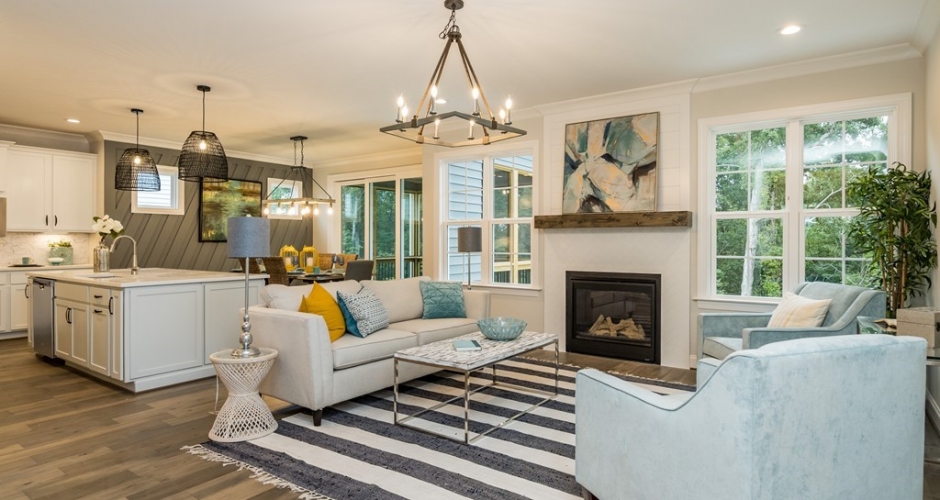
Builder Spotlight: ICG Homes
Building luxury with purpose in the Triangle A home can say a great deal about the ...
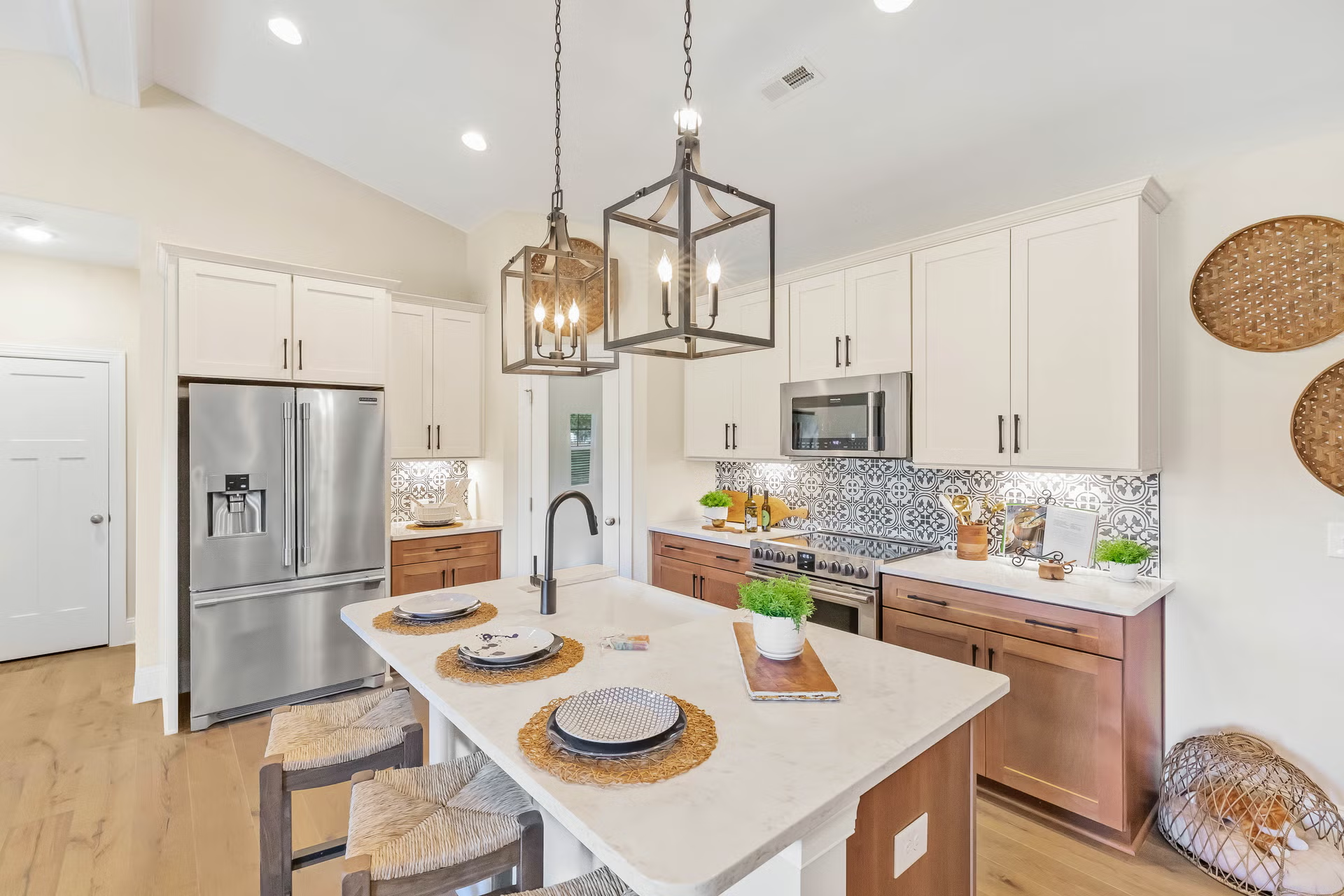
Builder Spotlight: Caviness & Cates
Personalized New Construction Built Across the Triangle with Caviness & Cates Choosing a builder is one ...
Be the First to Know
Want to get the latest from The Jim Allen Group’s trusted local experts?
Subscribe to our blog, and we’ll notify you when we post something new!