


Does Your Triangle Home Purchase Need a Property Survey?

Navigating a real estate transaction in the Triangle can feel like assembling a complex puzzle where the pieces keep shifting. Between scheduling inspections, finalizing appraisals, and reviewing title work, you are constantly making decisions that impact both your peace of mind and your financial future. When buying a home in communities from Raleigh to Chapel Hill, one critical piece often gets overlooked in the rush toward closing: the property survey.
While you might be hyper-focused on the interior finishes, the proximity to parks, recreation, and daily amenities, or the condition of the HVAC system, the actual land you are purchasing is just as important as the home sitting on it. You are buying a piece of North Carolina, complete with invisible lines, potential rights-of-way, and specific zoning requirements. Deciding whether or not to map out those invisible lines is a choice that many buyers face. It is a decision that requires a thoughtful approach, balancing the upfront investment against long-term clarity. By understanding exactly what this detailed drawing provides, you can approach your closing day with absolute confidence, knowing precisely where your new property begins and ends.
What Exactly Is a Property Survey?
At its core, a property survey goes far beyond a simple sketch of your yard. It is a meticulous, professional drawing prepared by a licensed surveyor that outlines the precise boundaries of your land. While a home inspection focuses on the structural integrity and systems of the home itself, a survey is entirely focused on the land and where your ownership legally begins and ends.
When you invest in a home in a thriving area like Cary, you want to know exactly what is yours. A comprehensive survey identifies lot dimensions, total acreage, and physical markers. More importantly, it highlights any structures that cross property lines, known as encroachments, as well as shared access areas or utility easements. In some cases, a survey might reveal that other people or entities are entitled to partial use of your property through these easements. It provides a definitive answer to a foundational question: What land are you actually purchasing? Knowing these details ensures that the property described in your deed perfectly matches the reality on the ground, protecting you from assumptions or outdated records.
Why Lenders and Title Companies Care About Your Boundaries
Even though North Carolina law does not strictly mandate a survey for every residential transaction, you may find that other parties involved in your purchase require one. When you are securing financing for a home, your mortgage company views your property as their collateral. Consequently, many mortgage companies require a survey before they will lend money to ensure their investment is fully protected.
Lenders and title companies want to verify that the home and land are exactly as described in the transaction documents. They also need to know that there are no zoning law infringements or unresolved encroachments that could complicate a future sale. Furthermore, title insurance coverage often depends heavily on this verification. If you proceed without a survey, certain risks related to shared driveways, easements, or boundary lines might be explicitly excluded from your title insurance policy. For buyers in fast-growing communities like Apex, where new development often meets established neighborhoods, having that comprehensive title protection is crucial for long-term ownership confidence.
Preventing Conflicts With Your New Neighbors
Moving into a new neighborhood should be an exciting milestone, not the beginning of a territorial dispute. Unfortunately, assuming that existing fences, driveways, or landscaping define the legal property lines is a common mistake. Over time, as properties change hands and neighborhoods evolve, these physical markers can drift away from the actual legal boundaries. In fact, boundary disputes are recognized as one of the most common real estate conflicts that arise between neighbors.
By obtaining a survey before you close, you eliminate the guesswork. You will know definitively if the seller’s shed was accidentally built onto the adjacent lot, or if the neighbor’s beautiful privacy fence is technically sitting on your future backyard. For homes in established areas of Durham or Wake Forest, where properties may not have been surveyed or sold in decades, updating the record ensures today’s legal description matches current conditions. Establishing these facts early on prevents costly disagreements and fosters better relationships, allowing you to enjoy your new surroundings—and its nearby recreation—without looming boundary anxieties.
Protecting Your Future Improvement Plans
Many buyers enter a real estate transaction with grand visions for their new property. You might be dreaming of adding a spacious deck, installing an in-ground pool, or erecting a fence for added privacy. However, before you start scheduling contractors, you need to know if those plans align with the realities of the lot.
Aligning With Municipal Requirements
A survey is a critical tool for anyone planning improvements, as it dictates exactly where you can build based on property lines and local municipal rules. If you mistakenly build outside your legal boundaries or violate local zoning setbacks, you could face severe consequences. A dislocated fence or outbuilding can lead to extra construction costs and legal problems.
Often, local municipalities enforce strict setback requirements that dictate how close a structure can be to the property line. Knowing these dimensions beforehand allows you to design your outdoor living spaces with absolute certainty. Whether you are looking at a compact lot in downtown Raleigh or a sprawling property on the outskirts of the Triangle, mapping out these boundaries safeguards your future investments and prevents heartbreaking tear-downs later on.
Navigating Irregular Lots and Acreage
Not every property fits perfectly into a neat, rectangular box. If you are eyeing a home on a larger parcel or an oddly shaped lot, a survey becomes even more indispensable.
The Complexities of Unique Parcels
In many subdivisions with cul-de-sacs or winding roads, pie-shaped lots have non-obvious boundary lines that can be incredibly difficult to gauge by eye alone. A professional survey clarifies exactly how much usable yard space you actually have.
Larger tracts of land carry their own unique complexities. When dealing with acreage, it is much more likely that the property features old access roads, hidden utility easements, or overlapping boundaries with neighboring land. Even a minor discrepancy in the boundary line can represent a significant amount of land value when large parcels are involved. While buyers of standard-sized lots in newer, uniform subdivisions might feel comfortable skipping this step, those purchasing expansive or irregular properties often benefit from knowing exactly where property lines sit. A detailed map gives you a true understanding of the landscape you are acquiring.
Understanding the Financial and Time Investment
Deciding to order a survey involves weighing the upfront costs and timeline against the long-term protections it offers. The price of this service is not a flat rate.
What Impacts the Final Cost?
Several variables determine what you will ultimately pay, including:
- The overall size and total acreage of the lot
- The complexity of the terrain
- The property’s specific location
- The type of survey being requested
For a typical residential property in North Carolina, these costs generally range from a few hundred to around a thousand dollars. However, if you are purchasing a sprawling estate or a parcel with highly complex boundaries, you can expect the fee to be slightly higher.
Factoring in the Timeline
Beyond the financial aspect, time is also a crucial factor. Because a licensed surveyor must conduct detailed field work and research, completing a survey takes time. Buyers need to factor this into their due diligence period and contract deadlines to ensure everything aligns smoothly before closing day. While it is an additional expense during an already demanding process, viewing it as a relatively small percentage of your total investment highlights its value as a reasonable price to pay for enduring peace of mind.
Local Market Interpretation: What This Means for Triangle Real Estate
When analyzing these land surveying realities through a local lens, the implications for our regional market become clear.
- For Triangle Buyers: As you navigate a highly competitive market in towns like Knightdale or Youngsville, it is tempting to waive contingencies or skip optional steps to speed up the process. However, skipping a survey to save a little time upfront can leave you vulnerable to unexpected land disputes. Understanding your true boundaries is paramount before committing to a purchase.
- For Triangle Sellers: If you are preparing to list your property, having an up-to-date survey can be a powerful marketing tool. It gives buyers immediate confidence in the transaction and helps avoid later legal disputes arising from an inaccurate property description. Addressing boundary issues before listing prevents delayed closings.
- For People Relocating to the Area: If you are moving to North Carolina from out of state, you might be unaccustomed to our specific zoning laws and property norms. Obtaining a survey ensures you fully grasp the nuances of your new landscape, providing a clear map of utility easements and setbacks before you settle into your new community.
Securing Your Future with Confidence and Clarity
Purchasing a home is likely one of the largest financial commitments you will make, and every piece of land has its own unique footprint. A property survey is simply a tool that brings that footprint into sharp focus, replacing assumptions with documented facts. While it might seem like just another piece of paperwork in a mountain of closing documents, it acts as a steadfast protector of your long-term property rights.
Whether you are settling into a historic home with decades-old fence lines or a new build near vibrant community amenities, understanding your exact boundaries offers profound reassurance. You deserve to move into your next chapter without worrying about surprise easements or accidental encroachments. By approaching your purchase thoughtfully and gathering all the facts about your land, you are setting the stage for a smooth, joyful transition into your new home.
Let Us Guide You Home
Navigating the complexities of real estate—from interpreting title work to deciding if you need a property survey—does not have to be an overwhelming experience. At The Jim Allen Group, we believe in empowering our clients with the knowledge and support they need to make confident, informed decisions. Our team is deeply rooted in the Triangle area, and we understand the unique nuances of this vibrant market.
If you are considering buying or selling a home, or if you simply have questions about the intricacies of the closing process, we are here to help. You don’t have to figure it all out on your own. We invite you to reach out and speak with one of our experienced agents today. Let’s have a conversation about your real estate goals and how we can provide the thoughtful, personalized guidance you deserve every step of the way.
Related Posts

Finding Your Place in the Triangle: A Guide to Choosing the Right Neighborhood
Relocating or moving across town involves much more than finding the right floor plan or architectural ...

Navigating Buyer Incentives and Representation Rules in the Triangle Real Estate Market
Buying or selling a home in the Triangle area—whether you are eyeing an established neighborhood in ...
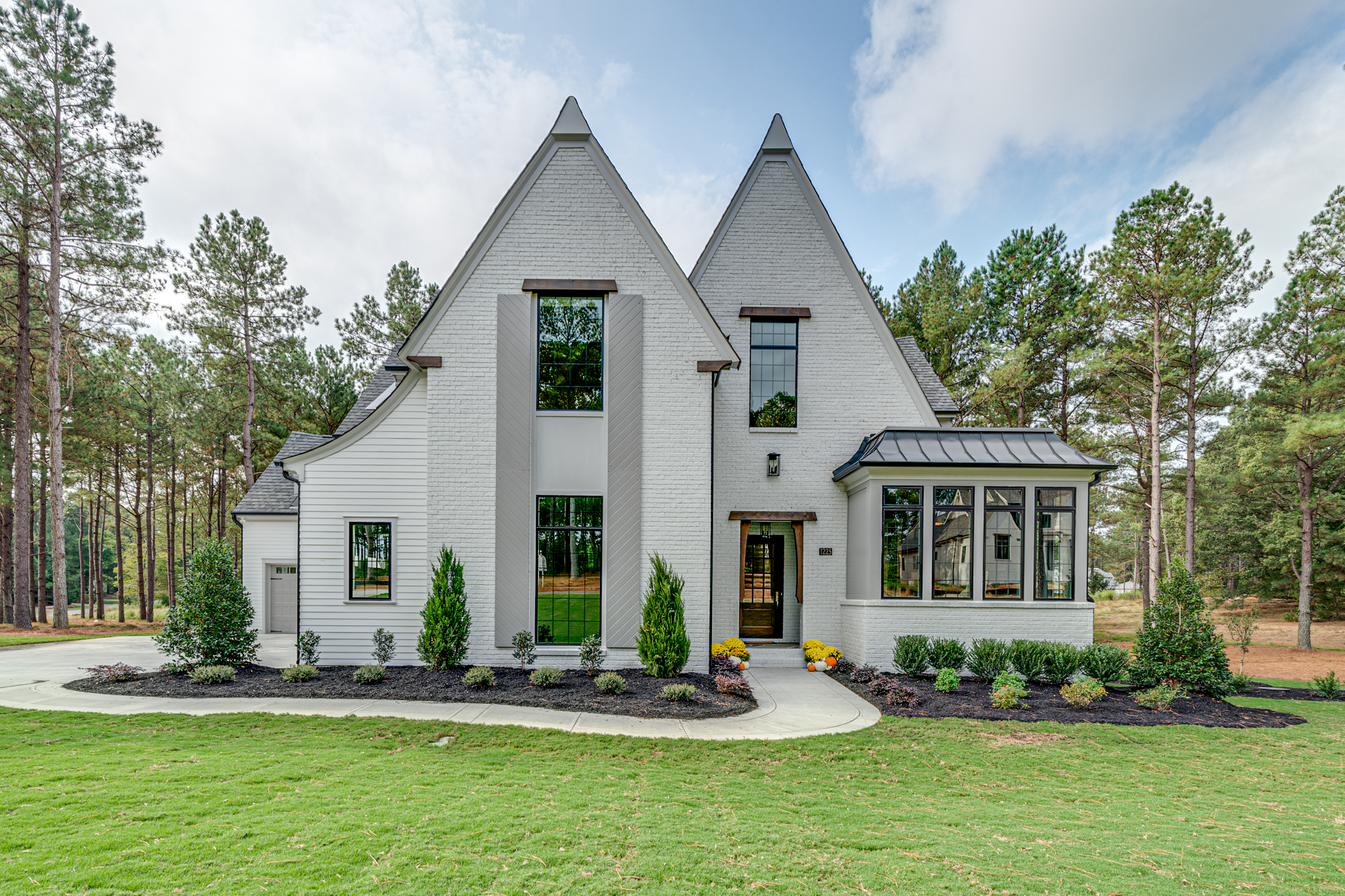
Builder Spotlight: Homestead Building Company
Inside Homestead Building Company’s approach to luxury homes A luxury home can make an unforgettable first ...
Be the First to Know
Want to get the latest from The Jim Allen Group’s trusted local experts?
Subscribe to our blog, and we’ll notify you when we post something new!