



The 2026 Triangle forecast: How infrastructure is reshaping home values across the region
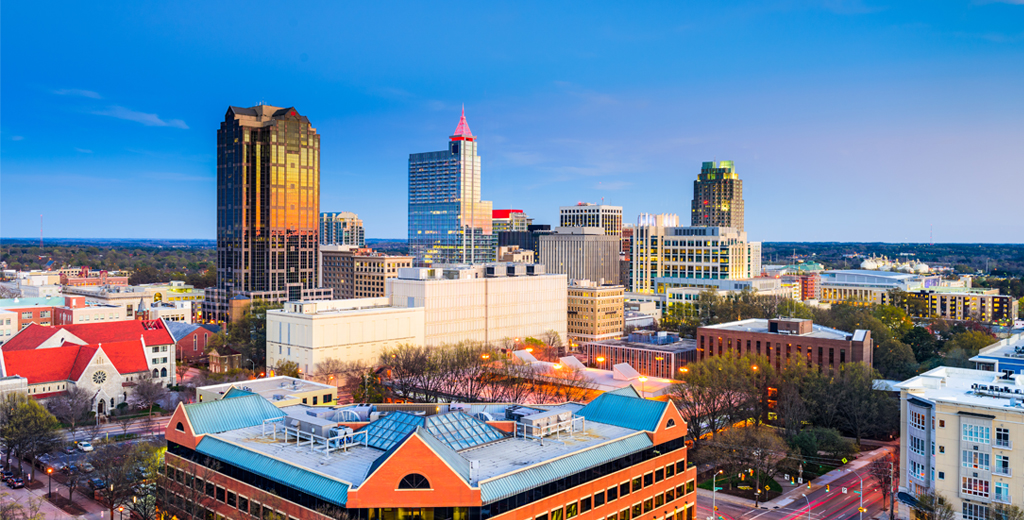
For years, the Triangle’s real estate story has been simple: rapid population growth, strong job creation, and rising home values. But in 2026, the forces driving the market are becoming more nuanced, based largely on what’s coming down the pipeline.
While major employers continue to bring new residents to the region, one of the biggest influences on where people choose to buy — and where home values are rising — is infrastructure. Projects like the completion of I-540, ongoing transportation improvements and investments in roads, parks, and public amenities are quietly reshaping the map of the Triangle.
The result isn’t one hot housing market. It’s dozens of micro-markets, each responding differently as accessibility, affordability and lifestyle continue to evolve.
Accessibility is becoming the new currency
Real estate has always been about location. Today, however, buyers are redefining what “location” means in the greater Triangle area.
Instead of measuring a home’s value solely by how close it is to downtown Raleigh or Research Triangle Park, buyers are increasingly evaluating how easily they can reach the places that matter most, such as their employment centers, shopping, recreation, schools and entertainment.
For established neighborhoods like North Hills or Downtown Cary, that accessibility has long been part of the appeal.
“Anytime people have an opportunity to walk to things — that’s (going to be) really hot,” said agent Jamie McGuire. “Location, location, location — that’s real estate.”
Walkability, established amenities, and mature neighborhoods continue commanding premium prices.
However, infrastructure is also creating entirely new locations. As transportation corridors expand, communities that once felt disconnected suddenly become realistic options for buyers who previously wouldn’t have considered them.
I-540 is opening the next wave of growth
Few projects illustrate that shift in the Triangle better than the completion of I-540. The newest sections of the Triangle Expressway are changing more than commute times. They’re also changing development patterns.
McGuire believes the impact is already visible.
“The south side of Raleigh and Garner — since that new 540 opened — there’s a lot of land down there, so that’s going to be developed a lot,” he said. “Then when they finish the last section on the east side of Raleigh, that’s going to open up that area a lot.”
His explanation for this phenomenon is straightforward. “Whenever they have those huge roads that people can travel on, it tends to open up those areas a lot,” he explained.
For buyers, that means communities once viewed as “too far away” are becoming practical alternatives. For developers, it creates entirely new opportunities to build where land is still available.
The first phase of the I-540 expansion are complete, which has helped with growth into Johnston County. Phase 2, which is still under construction, is expected to be complete in 2028. The $1,134,800 Expressway project — which includes six lanes of travel with a speed limit of 70 mph — is expected to bring new job opportunities to the region as it enhances the transportation needs of cities like Clayton, Garner, Fuquay-Varina, Knightdale, as well as Raleigh, Apex, and Cary.
Growth is expanding beyond traditional Triangle boundaries
The ripple effects extend well beyond Wake County. As developable land becomes increasingly scarce in established communities like Cary, Apex and North Raleigh, growth continues pushing outward into surrounding counties. Communities in Johnston, Franklin and Harnett counties are increasingly becoming part of everyday conversations among Triangle homebuyers.
Rather than competing for a shrinking supply of homes in the region’s most established neighborhoods, many buyers are discovering that a slightly longer drive can provide substantially more home for their money — a fact that’s becoming a strategic decision for buyers.
Infrastructure improvements are reducing the perceived distance between these emerging communities and the employment centers that continue attracting people to the Triangle.
Infrastructure is redistributing value, not creating it everywhere
One misconception is that every new road automatically increases nearby home values, but the reality is that it redistributes demand. Established neighborhoods continue appreciating because of their mature amenities, walkability, and convenience. Emerging communities appreciate because improved access suddenly makes them practical.
The result is a more diversified housing market where appreciation depends less on broad regional trends and more on the unique strengths of individual communities.
As McGuire points out, affordability remains one of the biggest drivers. “The eastern side of Raleigh is more affordable land, so that area is really going to grow a lot,” he says.
Looking ahead
In 2026, the Triangle area’s housing market is becoming increasingly sophisticated. The conversation is no longer simply about whether home values will rise, it’s about where they will rise and why.
Infrastructure projects like I-540 are redefining accessibility, opening new development corridors while reinforcing the enduring appeal of established communities. For buyers, sellers, and investors alike, understanding those shifts is as important as understanding interest rates or inventory levels.
Related Posts

Navigating Buyer Incentives and Representation Rules in the Triangle Real Estate Market
Buying or selling a home in the Triangle area—whether you are eyeing an established neighborhood in ...
What Are Material Facts and What Does That Mean for You?
Buying or selling a home across the Triangle is a significant milestone filled with excitement, anticipation, ...
The fastest-growing communities with new construction near RTP
With the Triangle area’s significant growth, one of the areas where the region has planned expansion ...
Be the First to Know
Want to get the latest from The Jim Allen Group’s trusted local experts?
Subscribe to our blog, and we’ll notify you when we post something new!