


Top 10 things that go wrong in new construction (and how to avoid them)
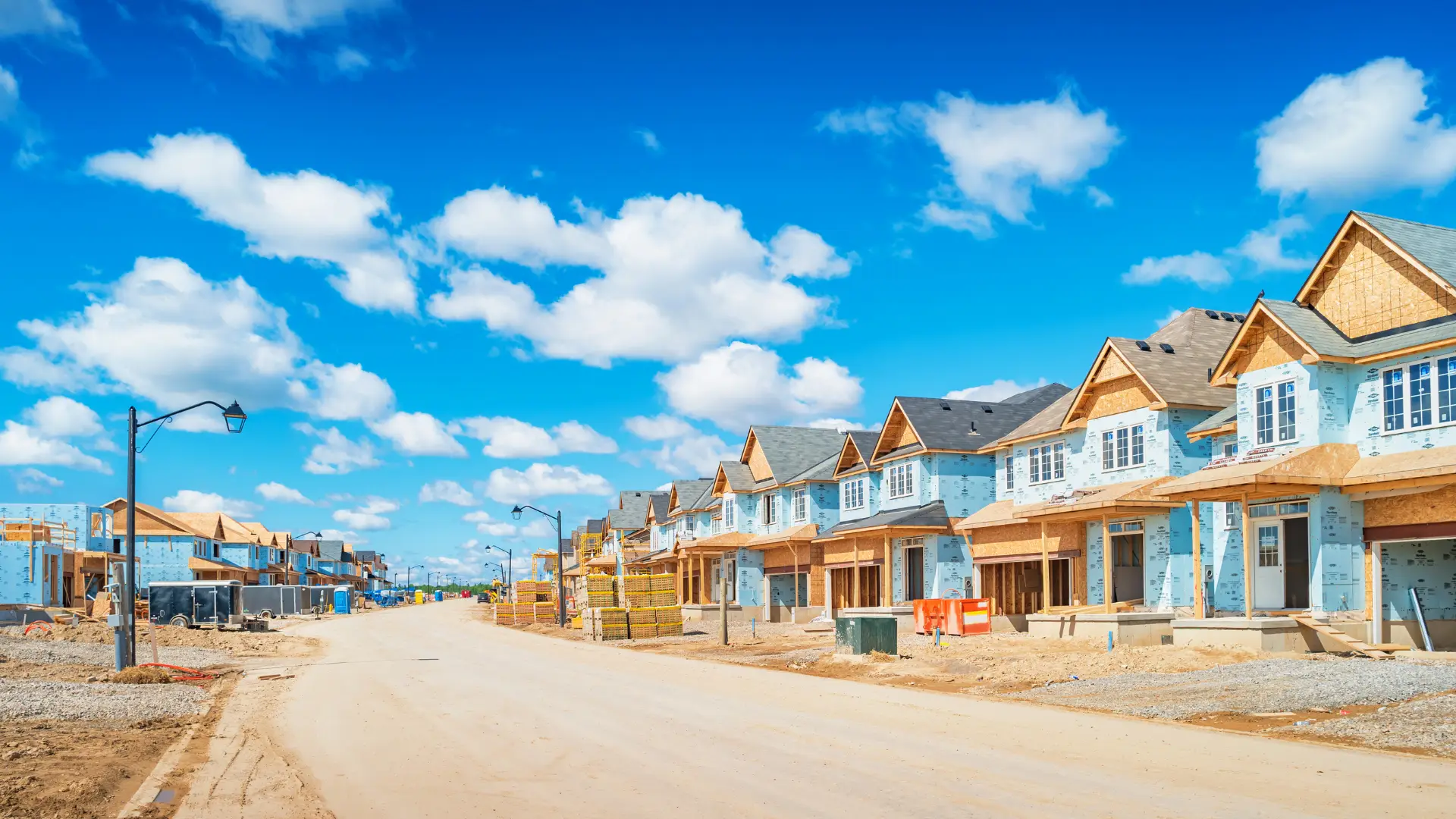
One of the biggest reasons people are drawn to new construction homes is the promise of a fresh start. A brand-new home feels clean, modern, and untouched — no worn floors, no need for repairs, no decades of deferred maintenance. When a house has never been lived in before, it’s easy to assume everything behind the walls is just as perfect as what you see on the surface. That doesn’t mean that there aren’t things that go wrong in new construction, though.
In the Triangle — where cities like Raleigh, Cary, Fuquay-Varina, Franklinton, Zebulon, and Pittsboro are growing at a rapid pace — new construction is everywhere. Builders are moving quickly to meet demand, and entire neighborhoods are being built at once. As a result, buyers are often juggling tight timelines, multiple decisions, and competitive contracts. While most builders are doing solid work, speed and scale can create gaps where small issues slip through unnoticed. And while most issues aren’t dramatic defects, over time, they can lead to comfort problems, water intrusion, higher energy bills, and the need for repairs.
The good news is that most new construction problems are predictable and preventable if you know where to look and when to check. The following are the top 10 things that commonly go wrong in new construction homes in the Triangle. We also have insights on how you can avoid them with the right inspections, walkthroughs, and documentation.
1) Poor grading in clay-heavy soil
Much of the Triangle sits on dense clay soil, which drains slowly and expands when wet. If final grading isn’t done correctly, rainwater can collect near the foundation instead of flowing away. Over time, this increases the risk of foundation movement, crawl space moisture, and interior humidity issues. Grading problems are one of the top things that go wrong in new construction.
To avoid this issue, ask your home inspector to confirm that your home’s soil slopes away from the foundation on all sides. They should make sure downspouts carry water well away from the house, not just a foot or two. Finally, walk the exterior and note any standing water near the foundation after rainfall.
2) Crawl space moisture problems
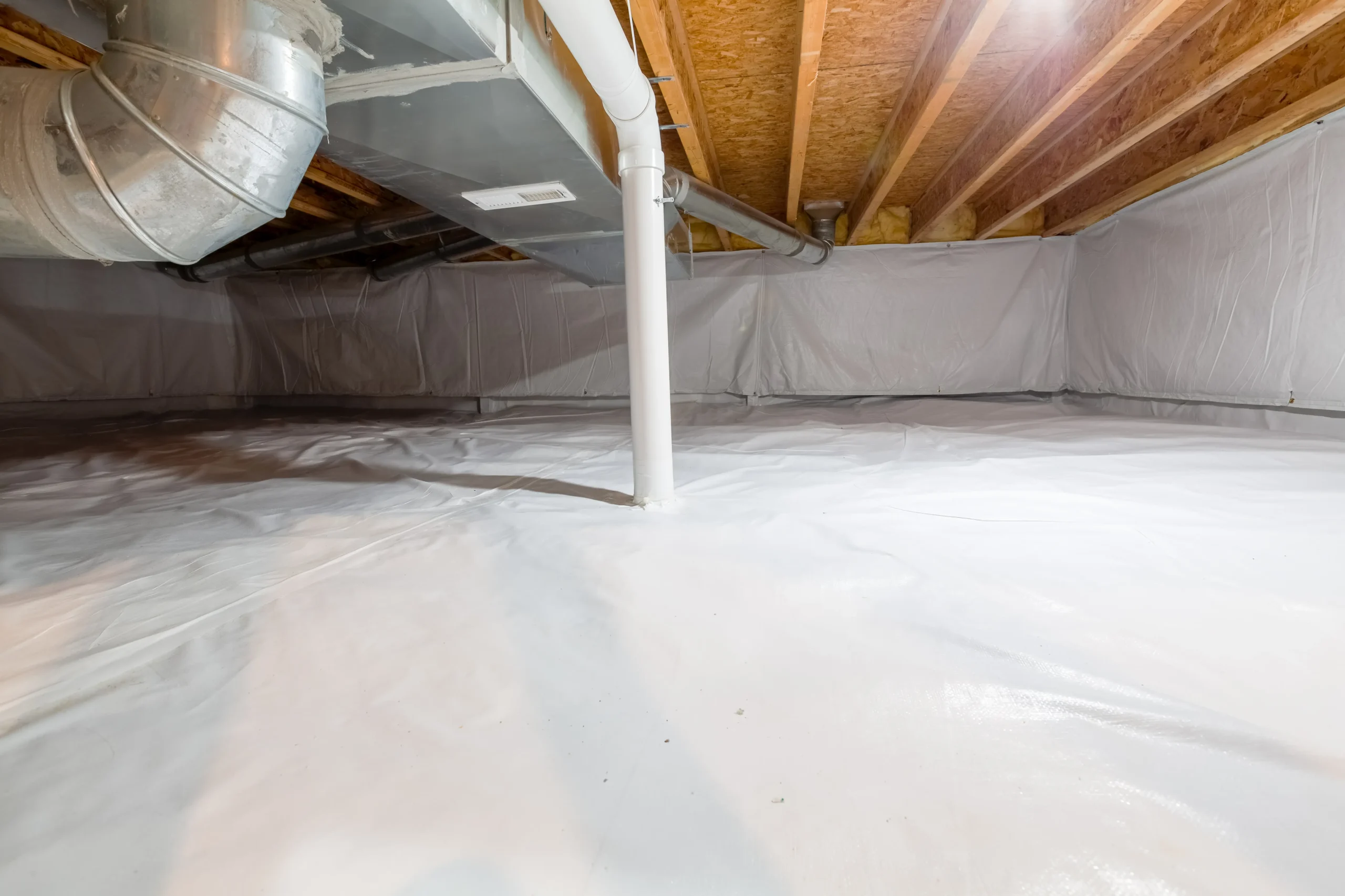
Crawl spaces are common in Triangle homes, and in North Carolina’s humid climate, moisture control is critical. Poor vapor barriers, inadequate ventilation, or missing dehumidification can lead to musty odors, mold growth, wood rot, and higher indoor humidity. It’s important to ensure your home is protected from these issues.
Before your home is complete, ask whether the crawl space is encapsulated or traditionally vented and how moisture is managed. Look for a sealed ground vapor barrier that fully covers the soil. And during walkthroughs, note any damp smells or visible condensation.
3) Foundation movement from clay soil expansion and contraction
Clay soil expands when wet and shrinks during dry spells. In new construction, this movement can cause hairline foundation cracks, drywall cracking, sticking doors, and uneven floors, especially in the first year. You can take precautions to prevent these problems early-on, preventing one of the top things that go wrong in new construction.
To avoid this, prioritize proper drainage, not only through grading but by ensuring your gutters are properly installed and draining. Take photos at the closing of doors, floors, and slab edges so you can compare later. Then, schedule an 11-month warranty inspection to document movement before the builder coverage expires.
4) Window and door flashing failures in heavy rain events
Triangle storms often bring wind-driven rain, which can exploit poorly flashed windows and doors. Even minor flashing mistakes can allow water behind siding, where damage stays hidden until stains or rot appear months later.
To avoid these issues, ask for confirmation that windows were properly flashed before siding installation. Be sure to check exterior trim and caulking carefully during the final walkthrough. And look for bubbling paint or soft trim after major storms.
5) HVAC systems not designed for North Carolina weather
In the Triangle, comfort isn’t just about temperature — it’s also about humidity. Undersized or poorly balanced HVAC systems can struggle to remove moisture, leading to clammy air, uneven room temperatures, and higher energy bills.
During your walkthrough, run both cooling and heating modes if seasonally possible. Be sure to check airflow in every room, not just the main living areas. And pay attention to humidity levels indoors, especially during summer.
6) Inadequate attic ventilation and insulation
High summer heat combined with poor attic ventilation can trap moisture and heat, increasing cooling costs and reducing roof life. Inadequate insulation can also lead to inconsistent temperatures throughout the home.
To avoid this problem, ask how attic ventilation is handled, including ridge vents, soffit vents, or other systems. Look for even insulation coverage, no gaps or compressed areas. During hot months, note if upper floors feel significantly warmer than lower levels.
7) Slab-on-grade issues in newer developments
Slab foundations are common in newer Triangle communities. If soil prep or compaction is rushed, slabs can crack or settle unevenly. While some cracking is normal, poor drainage makes these issues worse.
To prevent this from being one of the things that go wrong in new construction, be sure to inspect garage slabs and interior floors for visible cracking at closing. Monitor slab edges near exterior doors and patios for movement over time. And keep water from pooling near slab edges.
8) Roof and gutter systems overwhelmed by heavy rain
Triangle rainstorms can be intense. Poorly installed gutters, undersized downspouts, or roof flashing errors can lead to water spilling near foundations or backing up under roofing materials.
Make sure gutters are installed before closing and securely fastened. Watch where water flows during a storm, especially near valleys and roof penetrations. Confirm downspouts don’t discharge directly next to crawl spaces or slabs.
9) Plumbing leaks that feed humidity problems
Even small plumbing leaks under sinks, behind walls, or in crawl spaces can significantly increase moisture levels, especially in warm, humid conditions. These leaks often go unnoticed in new homes because everything “looks” clean.
To avoid these problems, run all fixtures during your walkthrough and check underneath immediately after. Look for damp spots or condensation in crawl spaces and utility rooms. And pay attention to unexplained increases in indoor humidity.

10) Finish work that fails as the house settles
In the first year, Triangle homes often experience minor settling due to soil movement and seasonal moisture changes. This can cause drywall cracks, nail pops, caulk separation, and doors that stop closing smoothly.
Be sure to document cosmetic issues early and again near the 11-month warranty mark. Don’t ignore small cracks — track whether they grow over time. Use the builder’s warranty period strategically, not reactively.
Key considerations before a new construction home is complete
In a fast-growing market like the Triangle, new construction homes are built quickly, but that doesn’t mean buyers should rush through inspections. Knowing where problems commonly appear gives you leverage, clarity, and peace of mind.To keep your home on track, make sure you work with a real estate agent who has experience with new construction. An experienced agent will watch for the things that go wrong in new construction and will ensure your builder takes care of those issues before they become something bigger. And make sure you ask your builder about their warranties to ensure you know what’s covered in case issues come up.
Related Posts

5 smart ways to use your tax return for homeownership in 2026
As tax season has begun winding down, sizeable returns are beginning to hit bank accounts for ...

North Carolina programs help boost the Triangle’s first-time homebuyer market
For first-time homebuyers, affordability remains a top concern when looking for a home. Yet with programs ...

3 Reasons the Triangle’s Rural and Suburban Communities Are Growing
In the heart of North Carolina, a remarkable transformation is unfolding. While the vibrant city centers ...
Be the First to Know
Want to get the latest from The Jim Allen Group’s trusted local experts?
Subscribe to our blog, and we’ll notify you when we post something new!